
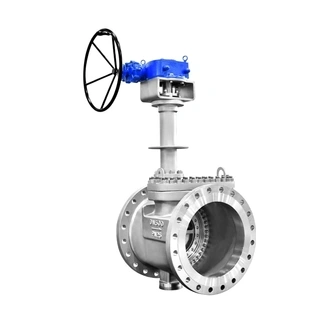
Cryogenic Triple Offset Butterfly Valves for Low-Temperature Industrial Applications
- Apr 29, 2026
- Hits: 46
Cryogenic triple offset butterfly valves are specialized industrial valves designed for extreme low-temperature applications, such as LNG, industrial gas, petrochemical, and hydrogen systems. Featuring a unique triple offset design, these valves minimize contact between the disc and seat, reducing wear while ensuring a tight shutoff. Constructed from stainless steel or advanced alloys, they withstand temperatures as low as -196°C (-321°F) without losing sealing performance. Their 90-degree rotation allows full flow when open and complete isolation when closed. With friction-free operation, durable construction, and precise control, these valves offer long-lasting, reliable performance for demanding cryogenic and low-temperature processes.
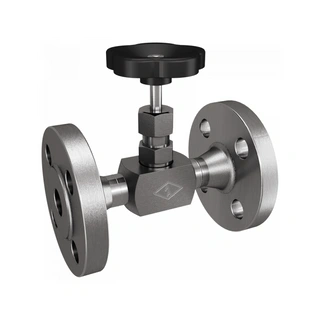
High-Precision Needle Valves for Instrumentation and Process Control
- Apr 23, 2026
- Hits: 29
Needle valves are precision flow control devices designed to regulate small volumes of liquids and gases with high accuracy and stability. Featuring a tapered needle-shaped plunger, they enable smooth and gradual adjustment of flow rates, making them essential in instrumentation, chemical processing, oil and gas systems, laboratories, and power generation applications. Their fine-threaded mechanism ensures precise control, while robust materials such as stainless steel and brass provide durability under varying pressure and temperature conditions. Widely used in sampling, calibration, and control systems, needle valves deliver reliable performance in demanding industrial environments requiring exact flow regulation and consistent operational safety.
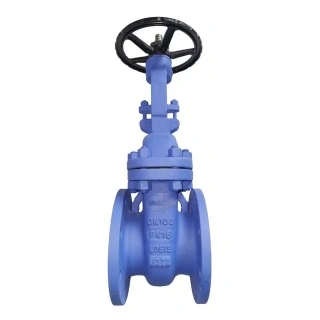
High-Quality DIN Gate Valve for Petrochemical and Water Treatment System
- Apr 21, 2026
- Hits: 21
DIN gate valves are essential industrial flow control components designed in accordance with German DIN standards, ensuring reliable performance, durability, and compatibility in global pipeline systems. They are widely used for full shut-off applications in industries such as oil and gas, power generation, water treatment, and chemical processing. Featuring a wedge-shaped gate and rising stem design, these valves provide excellent sealing performance with minimal pressure loss when fully open. Their robust construction, standardized flanged connections, and suitability for high-pressure and high-temperature environments make them a critical solution for safe and efficient industrial pipeline operations worldwide.
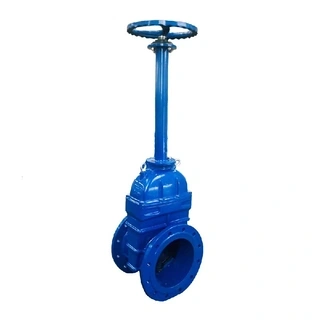
Extension Stem Gate Valves for Underground Pipelines: Applications and Advantages
- Apr 17, 2026
- Hits: 64
Extension stem gate valves are designed to enable remote operation of valves installed in buried or inaccessible pipeline systems. By extending the valve stem to ground level, they allow safe and convenient control without excavation. These valves operate using a gate mechanism that provides full shut-off with minimal flow resistance when open. Commonly used in water distribution, wastewater treatment, oil and gas pipelines, and infrastructure projects, they offer durability, reliability, and ease of maintenance. Key considerations include proper installation, alignment, corrosion protection, and regular inspection to ensure long-term performance and efficient operation in demanding underground environments.
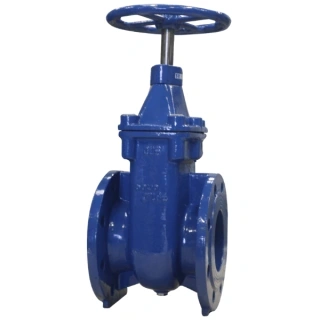
Wedge Gate Valve Working Principle and Why It Matters in Pipeline Systems
- Apr 14, 2026
- Hits: 32
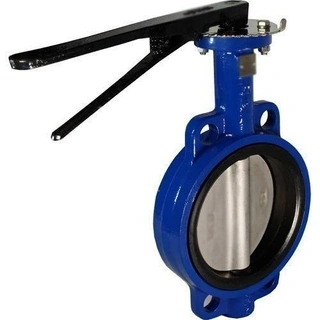
High-Performance Cast Iron Butterfly Valves for Industrial Applications
- Apr 10, 2026
- Hits: 17
Cast Iron Butterfly Valves are essential components for regulating and isolating fluid flow in industrial, commercial, and residential systems. Made from durable, corrosion-resistant cast iron, these valves offer reliable performance under moderate pressure and temperature conditions. Featuring a simple disc mechanism and quarter-turn operation, they enable fast shut-off and efficient flow control. Available in various sizes, including 4-inch and 50mm, and configurations such as wafer, lug, and actuated types, cast iron butterfly valves provide cost-effective, low-maintenance solutions. Widely used in water treatment, HVAC, irrigation, and industrial process systems, they deliver long-lasting durability and operational efficiency.
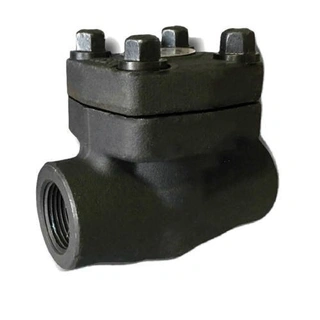
How to Select and Install Forged Steel Check Valves for Reliable Pipeline Safety
- Apr 07, 2026
- Hits: 39
Forged steel check valves are essential components for preventing backflow and ensuring safe, reliable operation in high-pressure industrial pipelines. Available in bolted or fully welded body-cover designs, they offer versatile maintenance options and leak-free performance. The valves feature various disc types—swing, piston, and ball—suitable for different flow conditions, pressures, and media, from water and steam to oil and chemicals. Proper installation, orientation, and flow alignment are critical to optimize performance and prevent water hammer. Widely used across oil and gas, petrochemical, power generation, and industrial utilities, forged steel check valves provide durable, high-performance solutions for modern fluid systems.
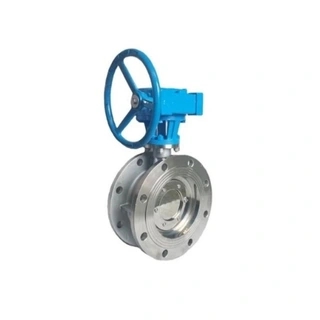
What Are Metal Hard-Sealed Butterfly Valves? Complete Guide for High-Temperature Industries
- Apr 01, 2026
- Hits: 33
Metal hard seal butterfly valves are high-performance industrial valves designed for demanding applications requiring durability, reliability, and precise flow control. Featuring a metal-to-metal sealing structure, these valves withstand high temperatures, high pressures, corrosive fluids, and abrasive media, making them ideal for power plants, petrochemical, metallurgy, chemical processing, and water treatment industries. Their simple quarter-turn operation, reinforced disc design, and compatibility with manual or automated actuators ensure efficient and safe control of gases, liquids, and slurries. Regular maintenance, proper material selection, and adherence to industry standards enhance valve longevity, performance, and operational safety in challenging industrial environments.
Top Advantages of Cage-Guided Control Valves for High-Performance Flow Control
- Mar 30, 2026
- Hits: 55
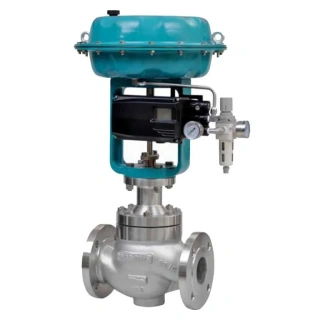
Cage-guided control valves are engineered for high-performance flow regulation in demanding industrial environments, particularly where high pressure drops, noise reduction, and cavitation control are critical. Their cylindrical cage structure provides precise plug guidance, improved stability, and customizable flow characteristics through interchangeable trims. These valves significantly reduce vibration, enhance durability, and deliver consistent control across varying process conditions. Widely used in oil and gas, power generation, chemical processing, and refining industries, cage-guided valves offer superior performance compared to traditional single-seat designs, making them an essential solution for severe service applications requiring reliability, accuracy, and long-term operational efficiency.
Top Entry vs. Side Entry Ball Valves: Key Differences Explained
- Mar 27, 2026
- Hits: 33
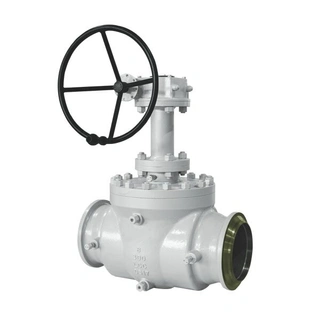
Top entry ball valves are engineered for high-performance fluid control in demanding industries such as oil and gas, petrochemical, chemical, and power generation. Distinguished by a top-mounted bonnet, these valves allow direct access to internal components for maintenance without removing the valve from the pipeline, reducing downtime and operational costs. They feature robust metal bodies, advanced sealing materials, and versatile actuation options, ensuring reliable operation under high pressure and temperature conditions. Compared to side-entry ball valves, top entry designs offer easier maintenance, superior sealing, and operational safety, making them ideal for critical applications where performance and reliability are paramount.
Everything You Need to Know About Concentric Butterfly Valves
- Mar 23, 2026
- Hits: 42
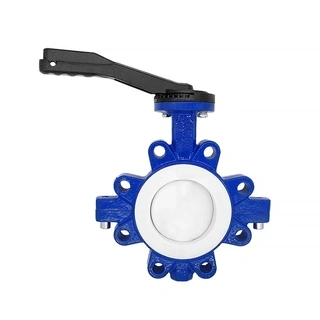
Concentric butterfly valves are essential components in industrial fluid control, featuring a circular disc mounted on a centrally aligned shaft for efficient flow regulation. Their simple, compact design allows low operating torque, quick 90-degree operation, and reliable soft-sealing performance using materials like rubber or PTFE. Common types include wafer, lug, double-flange, and butt-welded valves, each suited for specific pipeline connections. Ideal for water, HVAC, chemical, food, and general industrial systems, these valves provide cost-effective, low-maintenance solutions. While limited in high-temperature or abrasive applications, concentric butterfly valves remain a versatile, dependable choice for moderate-pressure pipelines.
Butterfly Valve Actuation Explained: Types, Benefits, and Industrial Applications
- Mar 20, 2026
- Hits: 43
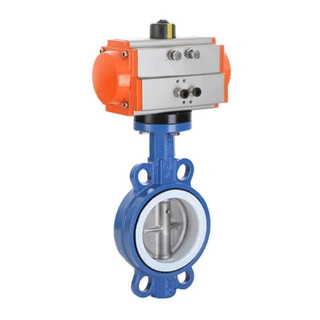
Butterfly control valve actuators are essential components in industrial fluid systems, converting control signals into mechanical motion to operate valves efficiently. Available in manual, electric, pneumatic, and hydraulic types, each actuator offers unique advantages depending on valve size, system pressure, operational frequency, response time, and environmental conditions. Manual actuators are simple and cost-effective for small valves, while electric actuators provide precise control and automation. Pneumatic actuators enable rapid response, and hydraulic actuators deliver high torque for large or high-pressure applications. Proper selection, installation, and maintenance ensure reliable performance, extended service life, and optimal efficiency across diverse industrial applications.