
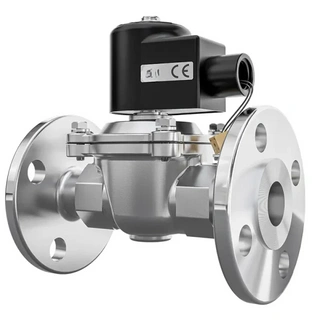
What Are Solenoid Valves and How They Revolutionize Automation
- Mar 17, 2026
- Hits: 54
Solenoid valves are critical electromechanical devices that regulate the flow, direction, and volume of liquids and gases in industrial and automation systems. By using an electric current to actuate a plunger, these valves provide precise, reliable, and fast control for applications in HVACR, irrigation, water treatment, chemical processing, and medical equipment. Available in direct-acting, pilot-operated, and proportional designs, solenoid valves offer versatile solutions for on-off control, flow regulation, and fluid mixing. Their compact design, energy efficiency, and integration capabilities make them indispensable in modern industrial automation, supporting operational efficiency, safety, and process accuracy.
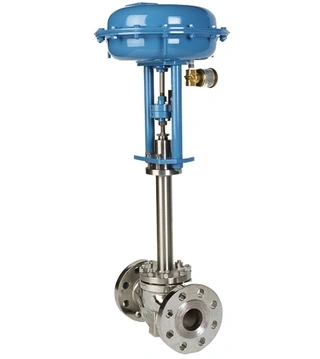
Complete Guide to Cryogenic Control Valves: Types, Materials, Applications, and Maintenance
- Mar 13, 2026
- Hits: 59
Cryogenic control valves are specialized valves designed to regulate the flow and pressure of ultra-low temperature fluids, often below -100°C, in applications such as LNG, CNG, liquid oxygen, and nitrogen systems. These valves ensure precise flow control, leak-proof operation, and system safety in industries including energy, aerospace, chemical processing, medical, and industrial gas distribution. Available in types such as ball, butterfly, gate, globe, and relief valves, they are constructed from corrosion-resistant stainless steel, nickel alloys, and advanced polymers to withstand extreme cold. With proper installation and maintenance, cryogenic valves deliver reliable, long-term performance and operational efficiency.
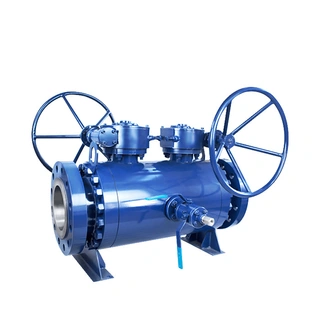
Double Ball Valves Explained: Design, Applications, and Safety Advantages
- Mar 09, 2026
- Hits: 57
Double ball valves are engineered to provide two independent sealing barriers within a single valve body, offering enhanced safety, verified isolation, and leak prevention for critical industrial applications. Featuring a center cavity with a bleed port, these valves allow operators to test seat integrity, drain, or flush the cavity, ensuring downstream protection during maintenance. The double block and bleed (DBB) design minimizes operational risks in oil & gas, chemical processing, power generation, and other high-pressure systems. With options for soft or metal seats, manual or actuated operation, and compact configurations, double ball valves deliver reliable performance, regulatory compliance, and operational efficiency.
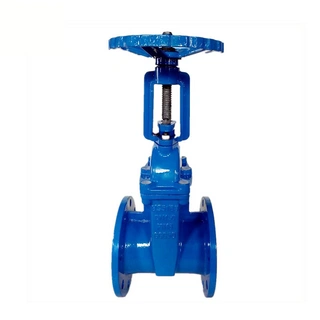
A Complete Guide to Rising Stem Gate Valves for Industrial Pipeline Systems
- Mar 06, 2026
- Hits: 42
Rising stem gate valves are essential industrial valves designed for reliable flow isolation and precise control in demanding pipeline systems. Featuring a vertically moving stem, these valves provide a clear visual indication of their open or closed position, enhancing operational safety and efficiency. Constructed from durable materials such as cast steel, stainless steel, and corrosion-resistant alloys, they withstand high pressure, temperature, and harsh industrial environments. Commonly used in oil and gas, petrochemical, power generation, water treatment, and marine applications, rising stem gate valves offer advantages including reduced wear, easier maintenance, and long service life, making them a trusted choice for modern industrial operations.
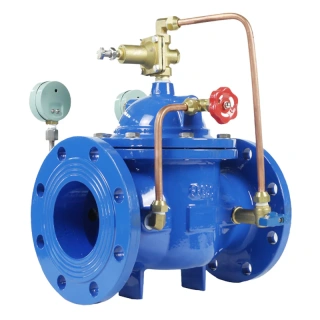
Understanding Pressure Reducing Valves in Boiler and Process Systems
- Mar 03, 2026
- Hits: 74
Pressure reducing valves (PRVs) are essential components in industrial and commercial systems, designed to lower high inlet pressure to a stable, controlled outlet pressure for safe and efficient operation. Available in direct acting and pilot-operated types, PRVs cater to a wide range of flow capacities and applications, from small-scale water and gas systems to large steam and industrial pipelines. Proper selection considers factors such as pressure reduction ratio, flow rate, fluid characteristics, temperature, and environmental conditions. Regular maintenance, including inspection of diaphragms, springs, and seals, ensures long-term reliability, protects equipment, enhances safety, and minimizes downtime across diverse industrial applications.
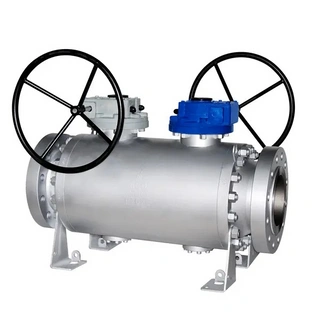
Trunnion Mounted DBB Ball Valve: Ultimate Guide for Industrial Applications
- Feb 28, 2026
- Hits: 42
Trunnion mounted DBB (Double Block & Bleed) ball valves are essential for modern industrial systems, providing reliable double isolation and integrated bleed functions. Designed for high-pressure and critical applications, these valves replace complex multi-valve assemblies, reducing leakage points, installation time, and maintenance costs. Featuring trunnion-mounted balls, advanced seat materials, and optional gear or automated operation, they ensure smooth performance, long service life, and safety during maintenance. Widely used in oil & gas, chemical, power generation, and instrumentation lines, trunnion DBB valves optimize operational efficiency while minimizing downtime. Proper selection, installation, and maintenance maximize their performance and reliability in demanding environments.
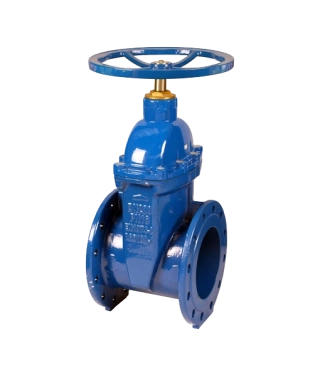
Comprehensive Guide to Resilient Gate Valves: Design, Features, and Applications
- Feb 26, 2026
- Hits: 33
Resilient gate valves are vital for modern piping systems, providing leak-free operation, corrosion resistance, and long-lasting durability. Featuring elastomeric seats, ductile iron bodies, and epoxy coatings, these valves allow smooth flow, minimal pressure loss, and effective passage of fine particles. Their wedge-shaped gates reduce wear, while triple O-ring stem seals prevent leakage and reduce operating torque. Widely used in water distribution, wastewater treatment, industrial processes, and fire protection, resilient gate valves combine robust construction with versatile performance. Proper installation, preventive maintenance, and periodic inspection ensure reliable, long-term service, making them a preferred choice for engineers and system operators globally.
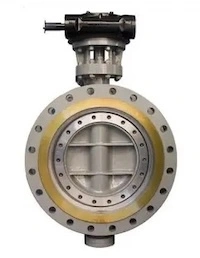
Failure Analysis of a Butterfly Valve Drive Pin in Nuclear Circulating Water Service
- Feb 20, 2026
- Hits: 38
Why Automatic Control Valves Are Essential for Precision Fluid Control
- Feb 18, 2026
- Hits: 90
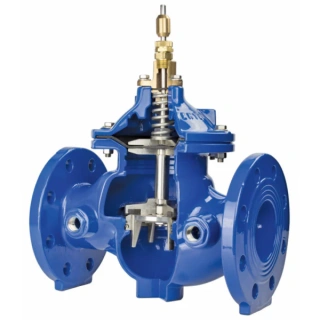
Automatic control valves are essential components in modern fluid systems, using sensor signals and actuators to regulate flow, pressure, temperature, and liquid levels with precision. Widely applied in industries such as water treatment, energy, manufacturing, HVAC, and chemical processing, these valves enhance efficiency, safety, and operational reliability. Their ability to respond instantly to changing conditions reduces manual intervention, minimizes energy consumption, and prevents system failures. Advances in smart technologies, including digital positioners, IoT connectivity, and predictive diagnostics, are further improving performance and maintenance capabilities. As automation expands globally, automatic control valves continue to play a vital role in optimizing processes, conserving resources, and supporting intelligent infrastructure.
A Comprehensive Guide to Pressure Seal Check Valves for Industrial Use
- Feb 10, 2026
- Hits: 76
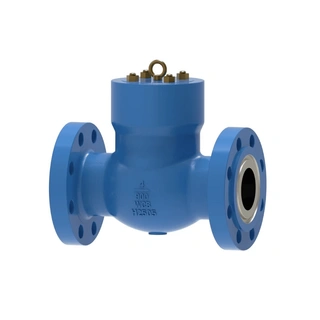
Pressure seal check valves are designed to prevent backflow in high-pressure systems, ensuring one-way fluid flow. Their robust design, which tightens the seal under internal pressure, makes them ideal for applications in power plants, refineries, chemical processing, and water treatment systems. These valves come in various types, including swing, piston, and lift designs, each tailored for specific needs. Pressure seal check valves provide several benefits, such as leak prevention, reduced maintenance, and improved system efficiency. Their ability to withstand pressures above 500 psi makes them essential in industries where reliability and safety are paramount.
Stainless Steel Cryogenic Gate Valves: Advanced Flow Control for Extreme Cold Applications
- Feb 05, 2026
- Hits: 44
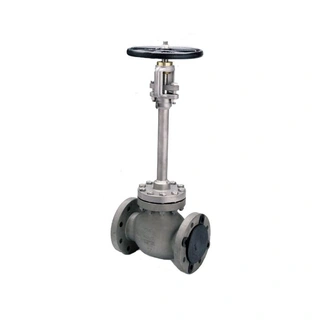
Stainless steel cryogenic gate valves are essential components for controlling fluid flow in ultra-low temperature environments, such as LNG terminals, hydrogen storage, and industrial gas facilities. Engineered for temperatures as low as –196 °C, these valves combine durable stainless steel construction, precise sealing, and low-torque operation to ensure reliability and safety. Advanced designs feature rising stems, metal-to-metal or bellows seals, and integration with electric or pneumatic actuators. Market growth is driven by expanding LNG infrastructure, industrial gas demand, and emerging hydrogen applications. Ongoing innovations in materials, automation, and predictive maintenance continue to enhance performance and lifecycle efficiency.
Understanding Soft Seated Trunnion Ball Valves in High-Pressure Pipeline Systems
- Feb 02, 2026
- Hits: 28
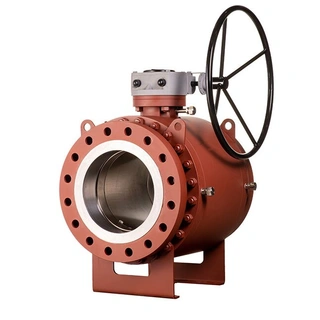
Soft seated trunnion ball valves are increasingly vital in modern industrial flow control, offering bubble-tight sealing, low operating torque, and dependable performance in high-pressure systems. Designed with a trunnion-mounted ball and advanced polymer or elastomer seats, these valves provide excellent shutoff reliability while reducing wear and actuator load. They are widely used in oil and gas, petrochemical, power generation, and water infrastructure, where safety, efficiency, and environmental compliance are critical. Innovations in seat materials, antistatic features, and automation integration further enhance performance. With strong durability and lifecycle cost benefits, soft seated trunnion ball valves continue to gain global demand across energy and process industries.