
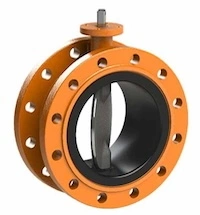
Experimental and Numerical Analysis of Flow Resistance in Concentric Butterfly Valves
- Sep 30, 2026
- Hits: 10
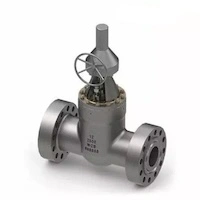
Sealing Surface Failure Analysis of Wedge Double-Disc Gate Valves for Boiler Service
- Sep 22, 2026
- Hits: 16

Ball Valve vs Check Valve: Key Differences, Working Principles, Applications, and How to Choose the Right Valve
- Jul 24, 2026
- Hits: 55
This article compares ball valves and check valves, explaining their different designs, operating principles, performance characteristics, and industrial applications. Ball valves provide reliable shut-off and flow control through a rotating ball mechanism, while check valves automatically prevent reverse flow to protect pipelines and equipment. The article highlights their advantages, limitations, and key selection factors across industries such as oil and gas, chemical processing, water treatment, and power generation. Understanding these differences helps engineers choose the most suitable valve solution for efficient, safe, and reliable fluid system operation.

Globe Valve Maintenance Guide Repairing Worn Sealing Surfaces Through Grinding
- Jul 21, 2026
- Hits: 52
Globe valve sealing surface damage is a common issue in marine and industrial piping systems, especially in boiler feedwater applications. Corrosion, erosion, impurities, and repeated operation can cause leakage, reducing equipment reliability and safety. This article explains the causes and risks of damaged sealing surfaces and introduces an effective grinding method for repairing globe valves without replacement. By separately grinding the valve disc and seat with properly designed tools, maintenance teams can restore sealing performance, extend valve service life, reduce costs, and ensure stable operation of critical pipeline systems.

How To Choose The Right Electric Globe Control Valve For Precise Flow Control
- Jul 17, 2026
- Hits: 42
This article provides a comprehensive guide to selecting electric globe control valves for industrial applications requiring precise flow regulation and reliable automation. It examines key selection factors including application requirements, operating conditions, valve types, sizing calculations, pressure and temperature ratings, material compatibility, and flow coefficient considerations. The article also discusses electric actuator specifications such as torque, control modes, feedback functions, and power supply requirements. By understanding these critical factors, engineers can improve process efficiency, operational reliability, equipment protection, and long-term maintenance performance.

What Is a Pressure Seal Globe Valve? Working Principle, Features, and Applications
- Jul 13, 2026
- Hits: 24
Pressure seal globe valves are designed for demanding industrial applications requiring reliable performance under extreme pressure and temperature conditions. Featuring a pressure-assisted bonnet sealing structure, these valves provide excellent leakage prevention, enhanced safety, and long-term durability. They are widely used in power generation, oil and gas, petrochemical, chemical, and nuclear industries for steam, feedwater, and hazardous fluid control. With superior flow regulation, reduced maintenance requirements, and resistance to thermal stress, pressure seal globe valves remain a critical solution for high-performance industrial pipeline systems.

Why Parallel Slide Gate Valves Are Ideal for High-Temperature Industrial Systems
- Jul 10, 2026
- Hits: 23
Parallel Slide Gate Valves are advanced isolation valves designed for reliable shut-off performance in high-pressure and high-temperature applications. Unlike traditional wedge gate valves, they use parallel discs and a sliding sealing mechanism to reduce wear, lower operating torque, and prevent thermal binding. Their self-cleaning sealing surfaces improve reliability and extend service life while requiring smaller actuators and less maintenance. Widely used in power generation, oil and gas, petrochemical, mining, and water treatment industries, parallel slide gate valves provide efficient, durable, and leak-tight operation for demanding industrial environments.

High Pressure Gate Valves for High-Pressure Pipeline Systems: A Comprehensive Industry Guide
- Jul 07, 2026
- Hits: 27
High pressure gate valves are engineered for reliable isolation in extreme-pressure and high-temperature industrial applications, including power generation, oil and gas, petrochemical, and chemical processing. Featuring a pressure seal design, these valves use internal system pressure to strengthen sealing performance as operating pressure increases, ensuring exceptional leak prevention and safety. Their robust construction, durable materials, and full-bore flow path provide long service life, low pressure loss, and dependable operation. Ongoing advancements in materials, sealing technology, and smart valve monitoring continue to enhance their efficiency, reliability, and maintenance performance.

High-Performance Segmented Ball Valve for Accurate Throttling and Flow Regulation
- Jul 03, 2026
- Hits: 20
Segmented ball valves are advanced rotary control valves designed for precise throttling and reliable shutoff in demanding industrial applications. Featuring a V-notch segmented ball, they deliver equal percentage flow characteristics, high rangeability, and excellent anti-clogging performance for slurries, viscous fluids, and corrosive media. Compared with traditional valves, they offer compact structure, lower pressure drop, and improved efficiency. Made from stainless steel and alloy materials, they ensure durability under high pressure and temperature. Widely used in oil, gas, chemical, water treatment, and power industries, they are increasingly integrated with pneumatic and electric actuators for automated process control systems.

Industrial Axial Flow Check Valve Technology for Safe Pipeline Operation
- Jun 30, 2026
- Hits: 48
Axial flow check valves are advanced non-slam valves designed to prevent reverse flow and eliminate water hammer in industrial pipeline systems. Using a spring-assisted, low-mass disc and streamlined axial flow path, the valve responds rapidly to changes in flow conditions, ensuring smooth opening and controlled, silent closure. This design significantly reduces pressure loss while improving system stability and energy efficiency. Widely applied in oil and gas, petrochemical, power generation, and water treatment industries, axial flow check valves provide reliable protection for pipelines and critical equipment under high-pressure and dynamic operating conditions.

High-Performance Sleeved Plug Valves Ensuring Efficient Sealing and Long Service Life in Industrial Applications
- Jun 24, 2026
- Hits: 24
Sleeved plug valves are quarter-turn rotary valves designed for reliable isolation and flow control in demanding industrial systems. Using an internal sleeve between the plug and valve body, they provide smooth operation, tight sealing, and reduced maintenance compared with traditional lubricated plug valves. The sleeve minimizes friction and protects against corrosion and wear, extending service life. These valves operate through a 90-degree rotation, enabling fast opening and closing, and can be manually or automatically actuated. Widely used in oil and gas, chemical processing, water treatment, power generation, and food industries, they deliver efficient, durable, and cost-effective flow control performance.

Choosing the Right Rising Stem Ball Valve for Industrial Flow Control Systems
- Jun 22, 2026
- Hits: 31
Rising stem ball valves are advanced industrial isolation valves that combine linear stem movement with quarter-turn ball rotation to eliminate seat friction and ensure reliable, bubble-tight sealing. Their unique lift-and-turn mechanism reduces wear, lowers operating torque, and extends service life compared to conventional ball valves. Widely used in oil and gas, petrochemical, power generation, chemical processing, LNG, water treatment, and hydrogen applications, these valves deliver exceptional durability, fire-safe performance, and low maintenance. As industries adopt smarter automation and stricter environmental standards, rising stem ball valves continue to provide dependable, efficient, and sustainable flow control solutions.