

Forged Wedge Gate Valve: High-Pressure Industrial Flow Control Solution
- Jun 16, 2026
- Hits: 19
Forged wedge gate valves are widely used in industrial pipeline systems for reliable flow isolation, tight shut-off performance, and long-term durability. Manufactured through the forging process, these valves offer superior strength, pressure resistance, and structural integrity compared to cast alternatives. Their wedge-shaped gate design ensures effective sealing in high-pressure and high-temperature applications. Commonly deployed in oil and gas, petrochemical, power generation, chemical processing, marine, and water treatment industries, forged wedge gate valves help maintain operational safety, reduce maintenance requirements, and improve overall system efficiency in demanding service environments.

Bronze Globe Valves in Modern Industry: Applications and Selection Guide
- Jun 12, 2026
- Hits: 35
Bronze globe valves are precision flow control devices designed to regulate and throttle liquids and gases in industrial pipelines. Made from corrosion-resistant bronze, they offer durability, reliable sealing, and stable performance in water, steam, marine, HVAC, chemical, and cryogenic applications. Their linear motion design enables accurate flow adjustment, making them ideal for systems requiring controlled pressure and flow rates. Although they create higher pressure drops than gate valves, their superior modulation capability makes them essential in process control industries. They are widely used in small to medium pipeline systems across multiple industrial sectors.

Complete Guide to Solid Wedge Gate Valves for Industrial Pipelines
- Jun 10, 2026
- Hits: 23
Solid wedge gate valves are widely used in industrial piping systems for reliable isolation and flow control. Featuring a robust one-piece wedge design, these valves provide excellent sealing performance, high-pressure and high-temperature resistance, and minimal pressure loss when fully open. Commonly manufactured from carbon steel, stainless steel, alloy steel, and duplex stainless steel, they serve critical applications in oil and gas, power generation, water treatment, chemical processing, and mining industries. With their durability, long service life, and dependable shutoff capability, solid wedge gate valves remain essential components in modern industrial infrastructure.

Pilot Operated Control Valve Technology for Oil, Gas, and Power Industries
- Jun 06, 2026
- Hits: 49
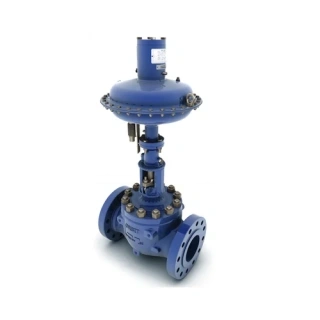
Pilot operated control valves are advanced flow control devices designed for high-pressure and high-temperature industrial applications. Using a pilot-assisted balancing mechanism, they reduce actuator load while improving control accuracy and sealing performance. Their dual closure structure and cage-guided design ensure stable operation, minimal leakage, and long service life. Widely used in oil and gas, power generation, petrochemical, and chemical industries, these valves offer reliable performance under demanding conditions. They also help reduce maintenance requirements, enhance efficiency, and support precise process control in modern industrial systems.
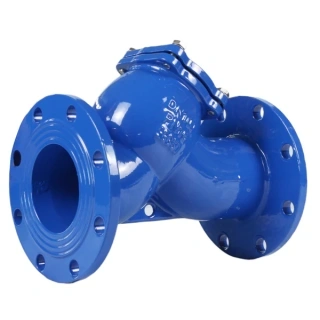
How to Choose the Right Y Type Strainer for Industrial Applications
- Jun 03, 2026
- Hits: 24
This article explores how to choose the right Y Type Strainer for industrial applications, highlighting its role in protecting pumps, valves, meters, and other critical equipment from harmful contaminants. It discusses various strainer types, including standard, fabricated, magnetic, and self-cleaning designs, along with key selection factors such as fluid characteristics, pressure, temperature, filtration requirements, and material compatibility. The article also covers installation best practices, maintenance procedures, troubleshooting methods, and emerging technologies that improve filtration efficiency, reliability, and long-term system performance.
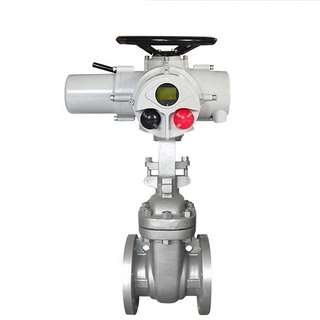
Understanding Electric Gate Valves: Operation, Components and Key Applications
- May 29, 2026
- Hits: 58
Electric gate valves are essential components in modern industrial automation systems, combining traditional gate valve structures with electric actuators for efficient and remote-controlled operation. They provide precise flow regulation, strong sealing performance, and suitability for a wide range of media including water, oil, gas, and steam. Widely used in industries such as power generation, oil and gas, water treatment, and chemical processing, these valves improve operational safety, reduce manual labor, and support intelligent pipeline management in large-scale industrial applications.
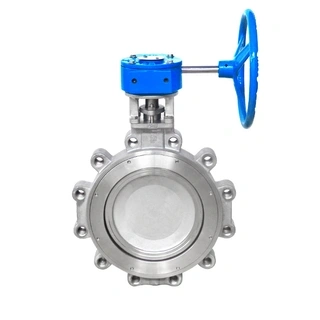
High Performance Butterfly Valves (HPBV): Advanced Flow Control Solutions
- May 25, 2026
- Hits: 29
High performance butterfly valves are advanced rotary valves designed for efficient flow control in demanding industrial applications. Featuring double or triple offset designs, they provide excellent sealing performance, reduced friction, and low operating torque. These valves are engineered to handle high pressure, high temperature, and corrosive media across industries such as oil and gas, chemical processing, power generation, and water treatment. With durable construction and precise control capability, they offer reliable operation, long service life, and improved energy efficiency in modern industrial systems.
How Orbit Rising Stem Ball Valves Improve Shutoff Performance And Durability
- May 22, 2026
- Hits: 56
This article introduces the orbit rising stem ball valve, a severe-service isolation valve designed for reliable, non-rubbing shutoff performance in demanding industrial applications. It explains the valve's unique lift-and-turn operating mechanism, key structural components, working principles, material options, and major advantages over conventional ball valves. The article also discusses applications in natural gas transmission, LNG processing, petrochemical plants, emergency shutdown systems, and offshore operations. In addition, it covers maintenance practices, fire-safe and low-emission features, automation trends, and future developments focused on smart monitoring, advanced materials, and improved sealing reliability.
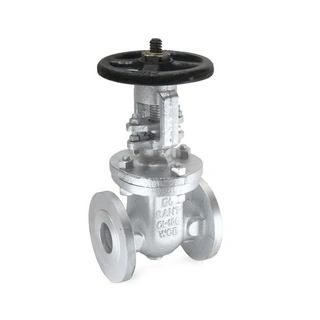
How Cast Steel Gate Valves Work in Modern Industrial Pipeline Systems
- May 19, 2026
- Hits: 18
Cast steel gate valves are widely used isolation valves designed for high-pressure and high-temperature industrial applications. They operate using linear motion to provide reliable on/off flow control with minimal pressure drop when fully open and tight sealing when closed. Modern designs emphasize low fugitive emissions, often below 100 ppm, achieved through advanced stem packing and bonnet sealing systems. Manufactured from durable cast steel materials, these valves undergo strict testing and quality control. They are essential in oil, gas, power, and chemical industries, ensuring safe and efficient fluid management worldwide.
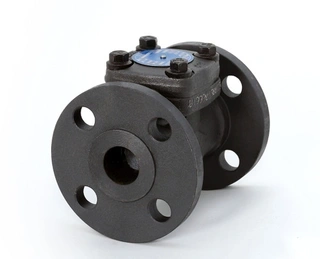
Forged Check Valve Manufacturers: Durable Solutions for Industrial Flow Control
- May 15, 2026
- Hits: 15
Forged check valves are essential components in industrial pipeline systems, designed to automatically prevent reverse flow and protect critical equipment from damage. Manufactured through a high-pressure forging process, these valves offer superior strength, durability, and resistance to extreme pressure and temperature conditions compared to cast alternatives. They are widely used in oil and gas, petrochemical, power generation, chemical processing, marine, and water treatment industries. With various designs such as swing, piston, ball, and spring-assisted types, forged check valves ensure reliable sealing performance, efficient operation, and long service life in demanding industrial environments worldwide.
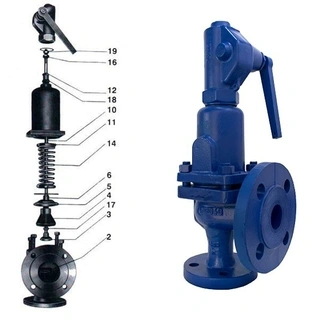
Industrial Safety Valves: How They Work and Why They Are Critical
- May 11, 2026
- Hits: 39
Safety valves are essential protective devices used in industrial systems to prevent overpressure conditions in equipment such as boilers, pressure vessels, pipelines, and reactors. They automatically release excess pressure when preset limits are exceeded, ensuring system stability and preventing catastrophic failures. Various types include weighted lever, spring-loaded, pilot-operated, and direct-acting safety valves, each suited for specific applications and pressure conditions. Proper material selection, installation, and maintenance are critical for reliable performance. Widely used across oil and gas, power generation, and chemical industries, safety valves play a vital role in ensuring operational safety and equipment protection.

How Fully Welded Ball Valves Improve Underground Pipeline Safety and Reliability
- May 07, 2026
- Hits: 31
Fully welded ball valves are engineered for underground pipeline systems where safety, durability, and long-term sealing performance are essential. Their one-piece welded body eliminates flange connections, reducing leakage risks and improving resistance to corrosion, soil pressure, and harsh operating conditions. These valves operate through a simple quarter-turn mechanism that ensures reliable flow control and tight shutoff. Widely used in natural gas, oil, water, and district heating networks, they offer extended service life with minimal maintenance requirements. Proper installation, welding quality, and pressure testing are critical to ensuring optimal performance and long-term operational reliability.