
In today's industrial and automation landscape, the efficient control of fluids—liquids and gases—is critical to operational success. One of the most widely used devices for this purpose is the solenoid valve. These electromechanical devices have revolutionized fluid management, providing precise control, automation capabilities, and reliable operation across numerous sectors.
Solenoid valves, also referred to as electric solenoid valves, operate by using an electromagnetic force to actuate a plunger within a valve body. This movement opens or closes the valve, regulating the flow of fluids according to the requirements of the system. With their simple design, convenient operation, and high reliability, solenoid valves have become essential components in industrial automation, water treatment, HVACR (heating, ventilation, air conditioning, and refrigeration), irrigation, and chemical processing systems.
In this article, we explore the principles, types, applications, advantages, and emerging trends of solenoid valves, providing a comprehensive overview for engineers, technicians, and industry professionals.
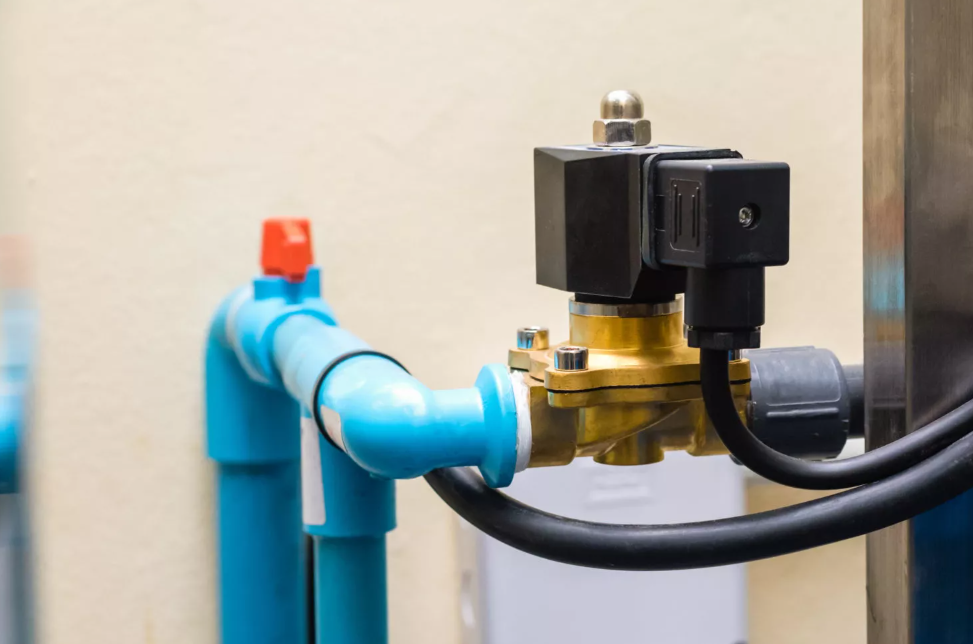
At its core, a solenoid valve is an electromechanical device that controls fluid flow using a combination of electricity and magnetic force. Its primary components include:
- Coil (Solenoid) – The coil generates a magnetic field when energized by an electric current.
- Plunger or Armature – This movable core responds to the magnetic field, moving to open or close the valve.
- Spring – Returns the plunger to its default position when the coil is de-energized.
- Valve Body – Houses the plunger, fluid ports, and seals that manage fluid flow.
The working principle is straightforward yet effective: when electricity is applied to the coil, a magnetic field is created, pulling or pushing the plunger. This action either allows fluid to flow through the valve or blocks it entirely. Solenoid valves can also be designed to function in proportional modes, allowing partial opening or regulated flow rather than just fully open or closed states.
The most fundamental function of a solenoid valve is to control the start or stop of fluid flow. In many household and industrial applications, the valve remains closed until activated. For instance, in a dishwasher, the solenoid valve is normally closed to conserve water. When the dishwasher starts a cycle, the valve opens to allow water into the system.
Similarly, solenoid valves are used in industrial applications such as pneumatic systems and hydraulic circuits, where automated on-off control ensures operational efficiency and safety.
Beyond simply stopping or starting flow, solenoid valves can direct fluids along different paths. These valves typically feature multiple inlet and outlet ports. By energizing or de-energizing the coil, the valve can switch fluid from one channel to another.
A practical example is in chemical processing, where two liquids need to be mixed in precise ratios. A solenoid valve with dual inlets can control which fluid enters the mixing chamber at any given time. By adjusting the energizing duration, operators can manage the proportion of each liquid accurately, enhancing process efficiency and product quality.
In applications requiring precise dosing, solenoid valves can manage fluid volume by opening and closing in timed intervals. Printers, for example, rely on solenoid valves to dispense exact ink droplets, maintaining consistent quality in printing operations.
Other industries, such as pharmaceuticals or food processing, also use solenoid valves to control the flow of liquids in exact quantities. Here, inlet pressure, fluid viscosity, and environmental conditions are crucial factors that determine valve performance.
Solenoid valves can also regulate the speed of fluid flow, either by rapid on-off cycling or by using proportional actuation.
- Pulse Width Modulation (PWM): In this method, the valve opens and closes rapidly at controlled intervals. The duration of the open state determines the effective flow rate.
- Proportional Solenoid Valves: Unlike standard on-off valves, these allow partial opening, providing variable flow according to system demands. Proportional valves are commonly used in process control systems, such as chemical mixing, water treatment, and HVACR, where flow precision is critical.
Solenoid valves come in various configurations to suit different industrial needs. Some of the most common types include:
Direct-acting solenoid valves operate solely by electromagnetic force. When the coil is energized, the plunger moves directly to open or close the valve. These valves are simple, reliable, and suitable for low-pressure applications, such as water or air systems.
In pilot-operated valves, the solenoid controls a smaller pilot port that, in turn, operates the main valve. These valves are ideal for high-pressure or high-flow applications, as the pilot mechanism reduces the force required to actuate the main valve.
- Two-Way Valves: One inlet, one outlet. Used for simple on-off control.
- Three-Way Valves: Can divert flow between two outlets or combine two inlets into one outlet.
- Four-Way Valves: Commonly used in pneumatic systems to control double-acting cylinders.
- Normally Closed (NC): The default state is closed. Energizing the coil opens the valve. Most common in fluid control systems.
- Normally Open (NO): The valve is open by default and closes when the coil is energized. Useful for fail-safe operations.
Solenoid valves are made from a range of materials depending on the fluid type, temperature, and pressure:
- Brass: Economical, widely used in water, air, and mild chemicals.
- Stainless Steel: Corrosion-resistant, suitable for chemicals, seawater, and harsh environments.
- Plastic (PVC, UPVC, PVDF): Lightweight, chemically resistant, ideal for low-pressure and non-conductive fluids.
Seals are also carefully selected based on fluid compatibility, temperature range, and wear resistance. Common seal materials include NBR, EPDM, FKM (Viton), and PTFE.
Solenoid valves are versatile and find applications in virtually every sector that involves fluid management:
In automated manufacturing, solenoid valves regulate hydraulic and pneumatic circuits, control material handling systems, and operate machinery safely and efficiently.
Solenoid valves control refrigerant and water flow, enabling efficient heating, cooling, and ventilation. They play a critical role in maintaining energy efficiency and temperature accuracy.
Municipal and industrial water treatment plants use solenoid valves to control the flow of water, chemicals, and sludge, ensuring precise dosing, filtration, and treatment processes.
Automated irrigation systems rely on solenoid valves to open and close water lines at specific intervals, conserving water while ensuring crops receive adequate hydration.
Sanitary solenoid valves regulate flow in processes such as bottling, brewing, and dairy operations. Materials such as stainless steel and FDA-approved seals ensure compliance with hygiene standards.
High-precision solenoid valves are used in laboratory instruments, diagnostic devices, and pharmaceutical manufacturing, where accuracy and contamination prevention are essential.
Solenoid valves manage fuel injection, emission control systems, and air suspension systems in modern vehicles, contributing to performance, efficiency, and safety.
Solenoid valves provide numerous benefits, making them indispensable in fluid control:
- Rapid Operation – Valves can open or close in milliseconds.
- Automation-Friendly – Easily integrated into automated systems.
- Compact Design – Minimal space requirement.
- Energy Efficiency – Only consumes power when actuated (in most designs).
- Reliability – Long service life with minimal maintenance.
- Versatility – Suitable for gases, liquids, and corrosive fluids.
- Safety – Fail-safe designs ensure safe operation during power loss.
Selecting the right solenoid valve requires careful evaluation:
- Fluid Type – Chemical compatibility, viscosity, and particulate content.
- Pressure and Temperature – Operating conditions determine valve design.
- Flow Requirements – Required flow rate, volume, and precision.
- Power Supply – AC or DC voltage compatibility.
- Response Time – Critical for high-speed operations.
- Mounting Orientation – Some valves have specific installation requirements.
- Safety Standards – Compliance with ISO, CE, or UL certifications.
As industries evolve, solenoid valve technology is also advancing:
- Smart Solenoid Valves – Integrated with IoT sensors for real-time monitoring and predictive maintenance.
- Energy-Efficient Designs – Low-power solenoids and pulse-operated valves to reduce electricity consumption.
- Advanced Materials – Use of corrosion-resistant alloys and high-performance polymers for extreme environments.
- Miniaturization – Compact designs for medical devices, robotics, and microfluidics.
- Proportional and Multi-Stage Valves – Allow finer control over flow and pressure in complex processes.
Solenoid valves are more than simple fluid control devices—they are critical enablers of industrial automation and efficiency. With their fast response, versatility, and reliability, they serve a broad spectrum of industries, from chemical processing and water treatment to automotive, medical, and HVACR systems.
As technology advances, the integration of smart sensors, proportional actuation, and energy-efficient designs is set to further enhance the capabilities of solenoid valves. Selecting the right solenoid valve requires careful consideration of fluid type, pressure, flow, and operating environment, ensuring optimal performance and long-term reliability.
In short, solenoid valves remain an indispensable component of modern industrial and commercial systems, providing precise, automated, and reliable control of liquids and gases. Their continued innovation will support the next generation of smart factories, sustainable water management systems, and automated infrastructures worldwide.
