As global demand for liquefied gases and ultra-cold processing technologies accelerates, cryogenic butterfly valves have emerged as indispensable components in industries spanning LNG export terminals, aerospace propulsion systems, medical gas handling, and advanced research facilities. Driven by growth in liquefied natural gas (LNG) infrastructure, green hydrogen initiatives, and expanding industrial gas markets, the cryogenic valve segment is experiencing rapid evolution — not just in volume but in engineering sophistication.
In the heart of this transformation are butterfly valves designed specifically for cryogenic service: devices capable of precise flow control at temperatures as low as -196 °C and beyond. This article explores the technological advancements, material innovations, market dynamics, and real-world applications shaping this niche yet critical segment of industrial valve technology.
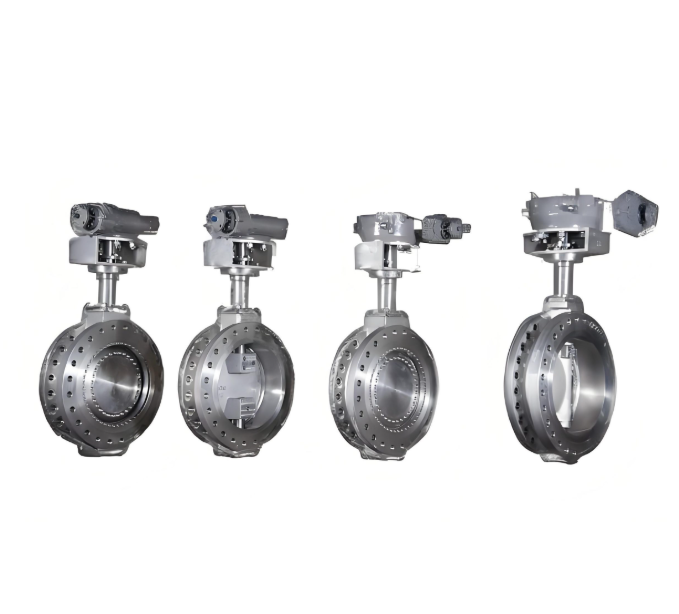
At first glance, a butterfly valve might seem like a simple quarter-turn mechanism with a rotating disc inside a cylindrical body that controls fluid flow. But when operating in cryogenic environments — where fluids are in a liquefied state at extremely low temperatures — the engineering challenges multiply.
Cryogenic temperatures can cause ordinary metals and elastomers to become brittle, crack, or lose sealing integrity. Cryogenic butterfly valves are purpose-built with materials that maintain ductility and resilience at low temperatures, preventing thermal shock damage when transitioning from ambient to cryogenic conditions.
Standard valve seat materials cannot reliably seal against ultra-cold media. Cryogenic valves often utilize specialized sealing materials such as PTFE variants (e.g., reinforced PTFE), PCTFE, or metallic spring-energized seals that maintain flexibility and tight sealing performance at sub-zero temperatures.
In LNG and other cryogenic applications, even tiny leakages represent safety hazards and economic loss. Butterfly valves designed for cryogenic service often feature highly precise discs and seats with minimal tolerances to ensure tight shut-off — frequently achieving class VI leakage rates in industrial standards.
Multiple macro trends are propelling the adoption of cryogenic butterfly valves worldwide:
Liquefied natural gas is a pillar of the energy transition, offering lower emissions compared to coal and oil. As countries seek energy security and cleaner energy sources, LNG production, transportation, and storage facilities are proliferating globally. From Qatar's mega-plants to emerging LNG hubs in East Africa and the U.S. Gulf Coast, cryogenic valve demand is surging.
Valves in these facilities are essential for:
- Regulating LNG transfer between storage tanks and carriers
- Controlling boil-off gas management
- Supporting vapor return lines and emergency shutdown systems
Liquid oxygen (LOX), liquid nitrogen (LIN), and liquid argon (LAR) are foundational to industries like healthcare, metallurgy, and electronics. Cryogenic butterfly valves help maintain purity and reliability in systems handling these gases — particularly in high-pressure cryogenic pipelines and distribution networks.
With hydrogen seen as a future clean fuel and storage medium, cryogenic valves capable of handling liquefied hydrogen (LH2) at temperatures near -253 °C are becoming highly strategic. Emerging hydrogen supply chains and refueling infrastructure are beginning to integrate cryogenic butterfly valves tailored to this aggressive low-temperature environment.
Scientific research facilities (e.g., particle accelerators, cryogenic test chambers) and aerospace propulsion systems rely on cryogenic fluids like liquid helium as coolants. Precision cryogenic butterfly valves are integral to controlling flow and pressure in these sensitive environments.
The performance of cryogenic butterfly valves depends heavily on materials science. In recent years, manufacturers have introduced novel alloys and composite seat systems that extend operating life, reduce maintenance, and improve safety.
The valve body and disc materials must balance strength, machinability, and low-temperature toughness. Common choices include:
- Cryogenic-grade stainless steels (e.g., 304L, 316L): Excellent low-temperature ductility and corrosion resistance.
- Duplex and Super Duplex Steels: Higher strength and corrosion resistance, ideal in offshore LNG environments.
- Nickel Alloys (e.g., Inconel): Sustain mechanical properties at extreme low temperatures and alternate with hydrogen service.
These alloys ensure that structural integrity is maintained even when exposed to rapid temperature changes.
Innovations here include:
- Metallic Spring-Energized PTFE Seals: A PTFE sealing surface energized by a metal spring ensures enduring contact pressure even at cryogenic temperatures.
- PCTFE Seats: Polychlorotrifluoroethylene offers superior low-temperature performance compared to traditional PTFE.
- Graphite and Composite Gaskets: Used in flanged end connections for enhanced sealing under thermal cycling.
To minimize wear and galling in low-temperature service, engineered surface coatings — such as Tungsten Carbide overlays and PTFE composites — are applied to discs and seats. These coatings reduce friction and enhance longevity.
Cryogenic butterfly valves are now active in an ever-widening array of sectors:
In LNG liquefaction plants, valves control the flow of hydrocarbon streams during cooling and liquefaction processes. At export terminals, they regulate:
- LNG loading arms
- Transfer pumps
- Boil-off gas compressors
These valves operate under high pressure, low temperature, and often in marine environments that demand corrosion resistance.
Hospitals and medical gas suppliers depend on cryogenic systems to store and transport:
- Liquid oxygen for respiratory support
- Liquid nitrogen for cryopreservation
Cryogenic butterfly valves ensure safe, contamination-free delivery of these life-critical fluids.
Cryogenic facilities used in physics research utilize liquid helium and nitrogen to cool superconducting magnets and instruments. Butterfly valves in these systems must deliver exceptionally stable control with zero leakage.
Rocket propulsion systems often use cryogenic fuels like liquid hydrogen and liquid oxygen, requiring valves that:
- Withstand extreme cold and pressure fluctuation
- Offer precise throttling for engine testing and operation
Cryogenic butterfly valves are preferred in certain applications for their compact design and rapid response compared to traditional globe or ball valves.
Producers of LIN, LOX, and LAR rely on cryogenic piping networks. Butterfly valves regulate production, tank filling, and distribution — crucial for welding gases, food freezing, and chemical processing.
According to industry analysts, the global cryogenic valves market is poised for significant growth over the next decade, driven by:
- Expansion of LNG export facilities in the Middle East, U.S., and Southeast Asia
- Investment in hydrogen liquefaction and storage infrastructure
- Increased industrial gas demand in emerging economies
Key market themes include:
- Shift toward digital integration: Smart valve technologies with position feedback, condition monitoring, and predictive maintenance capabilities are becoming standard rather than optional.
- Customization for fluid types: Valves are now engineered for specific cryogens (e.g., LNG vs. LH2 vs. LOX), with varying seat materials and thermal profiles.
- Modular design preferences: End users favor modular cryogenic valve assemblies that simplify installation, service, and parts replacement.
LNG Export Terminal — Northern Hemisphere
At a major LNG export facility, cryogenic butterfly valves were deployed in:
- Main pipeline isolation
- Vapor return systems
- Emergency shutdown sequences
Operators reported improved process control, reduced maintenance intervals, and superior reliability compared to legacy ball valves.
Aerospace Test Facility
A government aerospace testing site upgraded its cryogenic valve suite to support liquid hydrogen testing. The new valves with metallic spring-energized seats eliminated past issues with elastomeric seal failure and reduced downtime during thermal cycling.
For engineers specifying cryogenic butterfly valves, several best practices can enhance performance and safety:
Understand the fluid properties
Different cryogens behave differently. Liquid hydrogen poses unique challenges such as:
- Low density
- High diffusivity
- Embrittlement risks
Valve selection must match the fluid characteristics.
Consider temperature gradients
Rapid cooling can induce thermal stress. Designs should account for staged thermal gradients to prevent cracking.
Factor in insulation and piping support
Valve bodies should be properly supported and insulated to minimize heat ingress. Uneven thermal expansion can cause seal distortion and misalignment.
Choose appropriate actuation
Cryogenic service may require:
- Electric actuators with heaters
- Pneumatic systems isolated with bellows
- Manual overrides designed for cold environments
Actuator selection affects reliability and response time.
Cryogenic valves must comply with stringent industry standards to ensure performance and safety. Common frameworks include:
- API 607 / API 598: Fire testing and leakage requirements
- ASME B16.34: Flanged, threaded, and welded valves
- ISO 21011: Cryogenic valve testing procedures
- PED / CE / ATEX: Pressure equipment and hazardous area compliance
Adherence to these standards is critical for installations in petrochemical, LNG, and industrial gas environments.
Middle East & North Africa (MENA)
With vast natural gas reserves and expansive LNG export plans, the MENA region continues to drive demand for heavy-duty cryogenic valves. Petrochemical complexes and integrated gas processing units further expand the market.
Asia Pacific
China, South Korea, and Japan are leaders in LNG import infrastructure, fueling demand for cryogenic butterfly valves in regasification terminals and downstream distribution.
North America
The U.S. Gulf Coast's energy corridor — including shale gas plants, LNG export facilities, and industrial gas producers — represents a mature and technologically progressive market.
Europe
European nations emphasize hydrogen initiatives and industrial gas applications, boosting demand for next-generation cryogenic valves tailored to sustainable fuels.
Digital Twin Valve Modeling
Manufacturers are integrating digital twin technology to:
- Simulate performance under cryogenic conditions
- Predict failure modes and maintenance schedules
- Optimize valve sizing and control logic before commissioning
Additive Manufacturing Components
Additive manufacturing (3D printing) enables complex internal geometries that reduce insulation requirements, improve flow efficiency, and reduce weight — particularly valuable in aerospace and hydrogen infrastructure.
Integrated Condition Monitoring
Smart sensors embedded in actuators and valve bodies deliver real-time data on:
- Temperature profiles
- Seal wear
- Actuator torque curves
These capabilities support predictive maintenance and minimize unplanned outages.
Despite strong growth, the cryogenic butterfly valve sector faces challenges:
Material Cost Volatility
High-performance alloys and specialty seal materials are expensive and sensitive to global supply chain fluctuations.
Skilled Workforce Needs
Installation and servicing of cryogenic valves require specialized training and safety protocols, posing barriers in emerging markets.
Safety Concerns with Hydrogen
Hydrogen's small molecular size and embrittlement potential demand stringent design and testing practices.
Cryogenic butterfly valves have moved beyond niche components to become strategic elements of modern industrial infrastructure — especially in energy transition and advanced manufacturing sectors. With sustained investment in LNG facilities, hydrogen ecosystems, industrial gas networks, and research infrastructure, demand for high-performance cryogenic valves is set to grow.
Engineering innovation — from material science and digital integration to additive manufacturing and smart condition monitoring — is unlocking new performance frontiers. For operators and engineers alike, selecting the right cryogenic valve means balancing durability, precision, safety, and lifecycle value.
As the world leans into cleaner fuels, advanced processing, and extreme temperature applications, cryogenic butterfly valves will play an increasingly prominent role — ensuring that the flow of super-cold fluids remains reliable, efficient, and safe.