
In an era where energy transition, industrial gases, and cryogenic applications are rapidly expanding, cryogenic ball valves have emerged as essential enablers of safe, reliable, and high-efficiency flow control in ultra-low-temperature environments. As global demand for liquefied natural gas (LNG), hydrogen, liquid oxygen (LOX), and other cryogenic media soars, manufacturers and end-users alike are innovating and investing in advanced valve technologies to meet performance, safety, and environmental goals.
Cryogenic ball valves are specialized valves designed to operate at temperatures far below ambient — often in the range of –196°C (–321°F) for LNG and even lower for other industrial gases. Their role is crucial in sectors such as energy, petrochemicals, aerospace, medical gas supply, and food processing. These valves manage the safe flow, storage, and transfer of cryogenic fluids while minimizing heat ingress, leakage, and maintenance needs.
This comprehensive news report dives deep into the state of the cryogenic ball valve market, the technology behind them, key applications, recent trends, standards and certifications, challenges facing the industry, and future growth drivers.
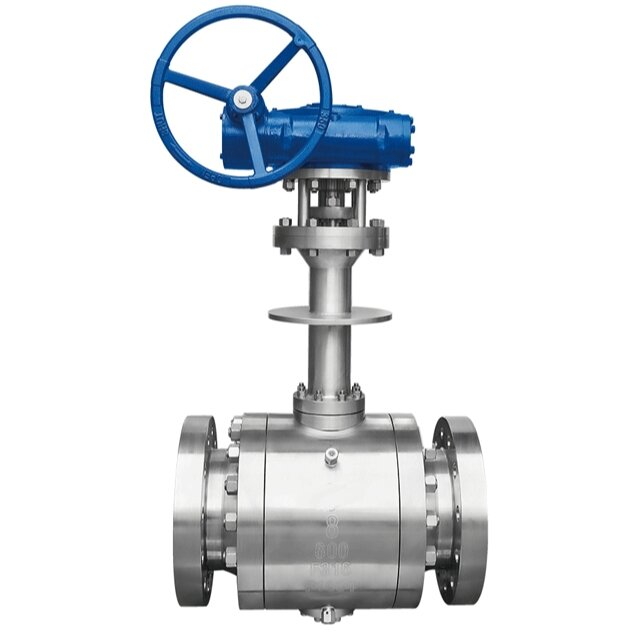
At their core, cryogenic ball valves are quarter-turn valves using a spherically shaped ball with a port through its center to control flow. When aligned with the pipeline, the port allows flow; rotating the ball 90° shuts off the media. What differentiates cryogenic ball valves from standard ball valves is not the basic mechanism, but their design adaptations for extremely low temperatures:
- Special materials with high toughness and low brittleness at cryogenic conditions
- Precision sealing to prevent leaks and ensure zero-leakage shutoff
- Extended stems to isolate packing systems from cold media
- Thermal insulation features to reduce heat transfer
These valves are engineered to withstand repeated thermal cycling, maintain tight shutoff, and operate reliably with minimal torque, even in temperatures where most materials become brittle.
Several macro trends are directly boosting demand for cryogenic ball valves:
LNG has become a cornerstone of global energy strategies. With major LNG export terminals online in the U.S., Qatar, Australia, and expansions in Africa and Russia, the need for highly reliable cryogenic valves is skyrocketing. Cryogenic ball valves are critical in:
- LNG storage tanks
- Loading arms and marine transfer systems
- Regasification facilities
- Pipeline connections for export and import systems
LNG's low temperatures require valves that function reliably without embrittlement or leakage — especially in high-pressure environments.
Green hydrogen, produced via renewable energy, is increasingly seen as a key decarbonization pathway, especially for heavy industry, aviation, and shipping. Hydrogen liquefies at –253°C, colder than LNG, increasing design challenges. Ball valves for hydrogen must handle:
- Ultra-low temperatures
- High pressures
- Potential embrittlement and leak pathways
Investment in liquid hydrogen infrastructure — from production to fueling stations — is driving demand for cryogenic ball valves capable of meeting stringent performance and safety requirements.
Liquid oxygen (LOX), liquid nitrogen (LIN), and liquid argon (LAr) are essential to manufacturing, healthcare, and scientific research. Cryogenic valves help deliver:
- Medical gases for hospitals
- Nitrogen for food processing and packaging
- Argon for welding and semiconductor manufacturing
Uptime and purity are paramount in these sectors. Any valve failure could lead to operational shutdowns or safety risks, making reliability a top priority.
To perform in harsh conditions, cryogenic ball valves incorporate several advanced features:
Standard steels and alloys can become brittle at cryogenic temperatures. Valve manufacturers rely on materials with proven cryogenic performance, such as:
Austenitic stainless steels (e.g., 304, 316): Excellent low-temperature toughness
Nickel alloys: Highly resistant to embrittlement
Low-temperature carbon steels with controlled composition
Material selection is essential to ensure structural integrity, prevent cracking, and maintain leak-free operation.
The stem connects the actuator or handwheel to the valve ball. In cryogenic applications, stems must:
- Extend outside the cold zone to protect packing
- Use low-temperature-rated packing materials such as PTFE or graphite
- Provide smooth torque without excessive friction
Many cryogenic valves feature extended stems to isolate the sealing system from cold media, minimizing thermal stress on packing systems.
Cryogenic fluids can shrink materials, altering clearances. High-performance seals often include:
- Soft seats (PTFE variants) for tight shutoff
- Metal seats for high temperature or abrasive applications
- Backup sealing to provide redundancy
The goal is zero leakage (Class VI or bubble-tight shutoff), essential for safety and efficiency.
While manual cryogenic valves remain common in certain installations, many systems are automated. Actuators for cryogenic valves must withstand temperature extremes and provide reliable, repeatable operation. Options include:
- Pneumatic actuators for fast, robust cycling
- Electric actuators with heaters or insulation to ensure performance
- Positioners and smart control systems for remote monitoring
Automation enhances safety by enabling rapid shutdowns during emergencies and integrating valves with process control systems.
Cryogenic ball valves are used in a wide range of industries, each with unique demands:
In LNG terminals, cryogenic ball valves manage:
- Feed gas systems
- Liquefaction train interfaces
- Storage tank isolation
- Marine transfer operations
LNG demand is forecasted to grow steadily as gas plays a transitional role in global energy systems.
Liquid hydrogen applications include:
- Fueling stations for fuel-cell vehicles
- Aerospace propulsion testing
- Industrial processes requiring ultra-pure hydrogen
Hydrogen's smaller molecule size and extreme cold present significant sealing and material challenges.
Facilities that compress, liquefy, and distribute industrial gases rely on cryogenic ball valves for process control, storage, and safety isolation. Common gases in these applications include:
- Liquid oxygen (LOX) for medical and manufacturing
- Liquid nitrogen (LIN) for food and electronics
- Liquid argon (LAr) for welding and shielding gases
Here, reliability, cleanliness, and precise control are priorities.
Cryogenic valves are used on:
- LNG carriers for cargo tank control
- Floating storage and regasification units (FSRUs)
- Bunker stations for LNG-fueled ships
Marine environments demand rugged, corrosion-resistant designs with low maintenance requirements.
Industry analysts project continued expansion in cryogenic valve demand over the next decade, driven by:
- Infrastructure buildout in LNG and hydrogen
- Industrial gas capacity increases
- Regulatory push for cleaner fuels
According to recent energy market reports, LNG trade volumes are expected to grow by 3–4% annually through 2030, with hydrogen markets scaling rapidly as electrolyzer capacity increases. Cryogenic valve manufacturers are responding with expanded product lines, enhanced customization, and global support networks.
Cryogenic valves must comply with rigorous international standards to ensure safety and performance:
API standards such as API 6D (pipeline valves) and other cryogenic testing protocols define:
- Pressure and temperature ratings
- Material requirements
- Leakage class criteria
Compliance with API and related standards is often mandatory for energy infrastructure projects.
The ASME Boiler and Pressure Vessel Code and ASME B16 series (valve end connections and dimensions) are widely used in specifying cryogenic valves.
ISO standards (e.g., ISO 28921 for cryogenic valve testing) provide uniform test procedures and acceptance criteria, facilitating international project procurement and quality assurance.
Many projects require third-party verification, including:
- Hydrostatic testing at cryogenic temperatures
- Non-destructive examination (NDE) of critical components
- Factory Acceptance Tests (FATs) witnessed by clients
This rigorous approach minimizes risk and instills confidence in long-term performance.
Despite robust growth, several challenges remain:
Producing valves that reliably perform at cryogenic temperatures requires:
- Specialized metallurgy
- Precision machining
- Quality assurance beyond standard industrial valves
This complexity raises manufacturing costs and extends lead times.
Global supply chains continue to face disruptions, impacting:
- Specialty steel and alloy availability
- Precision components
- Actuation systems
Manufacturers are diversifying suppliers and investing in local inventories to mitigate risk.
Designing, installing, and maintaining cryogenic systems requires specialized expertise. Training programs and industry certifications are essential to cultivate and retain skilled workers.
Cryogenic fluids pose hazards including:
- Extreme cold causing thermal injury
- Expansion and pressure buildup
- Potential asphyxiation risks
Comprehensive safety protocols and emergency response planning are mandatory for all cryogenic installations.
Innovation in this space is accelerating, with several noteworthy advancements:
New composite materials are being introduced for components such as:
Valve bodies
Insulation jackets
These materials reduce weight without sacrificing strength, especially valuable in marine and aerospace applications.
Advanced polymers and engineered sealing geometries improve:
Leak tightness
Cycle life
Temperature resilience
Some manufacturers are introducing multi-stage seals that provide redundancy and higher confidence in critical services.
Integration of sensors and smart control systems enables:
Real-time performance data
Predictive maintenance
Remote diagnostics
These features reduce downtime and help facilities optimize operations.
Selective use of additive manufacturing is enabling:
Complex internal geometries
Rapid prototyping
Reduced material waste
While not yet widespread for all valve components, 3D printing shows promise for high-value parts and customized designs.
Operating cryogenic valves safely involves:
Thorough Training
Operators must understand:
Cryogenic fluid properties
Valve operation and limitations
Emergency response
Regular drills and competency assessments are critical.
Periodic checks should include:
Leak testing
Actuator calibration
Seal condition assessment
Predictive maintenance tools help avoid unplanned outages.
Cryogenic fluids require insulated piping, appropriate PPE, and strict procedural controls to prevent injury.
Market analysts predict that the global cryogenic valve market will grow at a CAGR of 5–7% through 2030, driven by:
Expanding LNG liquefaction and regasification capacity
Investment in hydrogen infrastructure
Industrial gas production growth
Asia Pacific, particularly China and Southeast Asia, is poised to be a significant growth region due to new terminal construction and increased gas consumption.
Cryogenic ball valves are indispensable components in industries where ultra-low-temperature fluids are handled, transported, and processed. As energy systems evolve, clean fuels gain traction, and industrial demand grows, these valves will play an even more critical role in ensuring safety, efficiency, and reliability.
From the LNG plants powering energy security, to hydrogen hubs fueling the future, to industrial gas supply networks serving critical manufacturing and medical operations, cryogenic ball valves stand at the intersection of innovation and infrastructure.
With advances in materials, sealing technology, automation, and design, the next decade promises even greater performance and reliability — empowering a safer, cleaner, and more interconnected industrial landscape.
