Cast Iron Butterfly Valves are among the most widely used valves in the industrial sector, known for their durability, reliability, and cost-effectiveness. These valves regulate, throttle, or isolate the flow of liquids, gases, and semi-solid media through a simple disc mechanism that rotates around a central axis.
The core material—cast iron—provides a unique combination of strength, hardness, and corrosion resistance. Cast iron is composed primarily of iron with carbon and silicon, which allows it to withstand mechanical stress, pressure variations, and moderate temperature changes. As a result, cast iron butterfly valves are suitable for a broad range of industrial and commercial applications, from water treatment and HVAC systems to chemical processing plants and power generation facilities.
The popularity of these valves lies not only in their mechanical strength but also in their economic advantages. Cast iron is relatively inexpensive compared to materials like stainless steel, bronze, or ductile iron. This affordability allows industries to implement high-quality valve solutions without exceeding budget constraints.
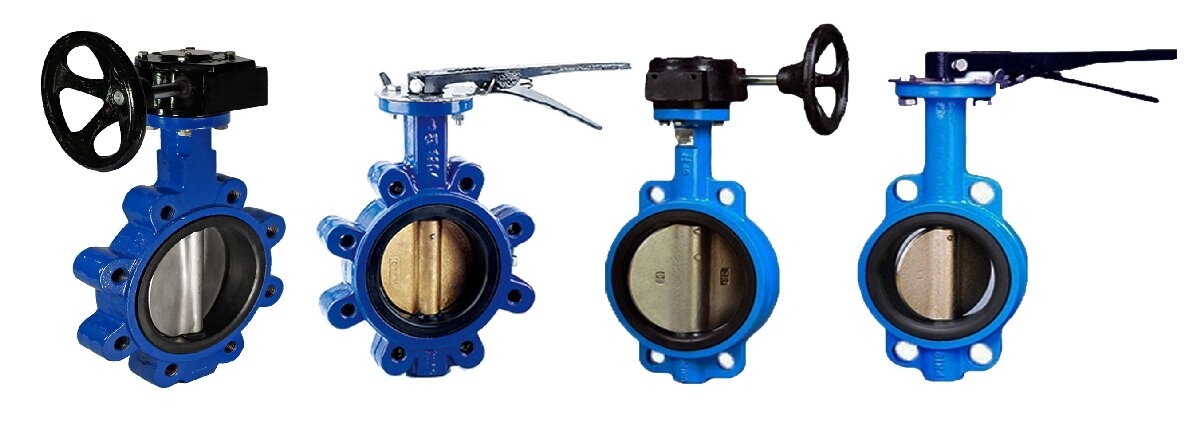
Butterfly valves have a long history, dating back to the early 20th century. Initially, valves were constructed from basic metals and primarily used in water distribution systems. Over time, advancements in metallurgy and casting techniques enabled manufacturers to produce butterfly valves from cast iron, enhancing strength, corrosion resistance, and longevity.
Modern cast iron butterfly valves integrate features like resilient seats, double-offset designs, and compatibility with pneumatic or electric actuators. These improvements allow them to meet more demanding industrial requirements, including high-pressure, high-temperature, and automated control applications.
A cast iron butterfly valve consists of several key components:
- Valve Body: The main frame that houses all other parts. The body is made from high-quality cast iron, ensuring durability and mechanical strength.
- Disc: The central element that rotates to allow or restrict flow. Its rotation can be manual via a lever or handle or automated via actuators.
- Stem/Shaft: Connects the disc to the handle or actuator, transmitting motion efficiently.
- Seat: Provides a tight seal between the disc and valve body to prevent leaks. Seats may be made of rubber, PTFE, or other resilient materials.
- Actuator/Handle: Allows manual or automated control of the valve's rotation.
The operation is simple yet efficient. A 90-degree rotation moves the disc from fully open (parallel to the flow) to fully closed (perpendicular to the flow). This quarter-turn mechanism allows for fast, reliable shut-off, making butterfly valves suitable for both throttling and isolation applications.
Cast iron is highly resistant to mechanical stress, making these valves capable of withstanding high-pressure systems without deformation. This strength allows them to perform reliably even in harsh industrial environments.
When lined or coated appropriately, cast iron valves resist corrosion from water, air, and mild chemicals. This characteristic reduces maintenance needs and extends valve service life, particularly in water treatment, irrigation, and HVAC systems.
Compared with stainless steel or other exotic alloys, cast iron is highly affordable. Industries can obtain high-quality valves at a fraction of the cost, providing a practical solution for large-scale installations.
Cast iron butterfly valves handle a wide variety of media, including clean water, wastewater, air, and mild chemicals. Their adaptability makes them suitable for municipal, industrial, and commercial applications alike.
The quarter-turn operation ensures quick and simple actuation. Actuated versions allow integration with automation systems, enabling remote operation and precise flow control.
Cast iron butterfly valves are widely used across various sectors:
These valves regulate water flow in treatment plants, pumping stations, and distribution networks.
Resistant to corrosion from clean or treated water, ensuring long-term reliability.
Control flow in air ducts, cooling systems, and hydronic heating loops.
Smaller valves (e.g., 50mm) are ideal for compact residential or commercial systems.
Chemical, food, beverage, and pharmaceutical industries rely on these valves for precise flow control.
Suitable for non-corrosive or mildly corrosive fluids.
Used in water distribution networks to control flow and pressure.
Ensure uniform water delivery and prevent wastage.
Used in low-pressure steam and cooling water pipelines.
Capable of handling pressure fluctuations without damage.
Pricing varies based on size, configuration, and additional features:
- 4-Inch Butterfly Valve Price: Ideal for residential, commercial, and small industrial systems, offering a balance between cost and performance.
- 50mm Butterfly Valve Price: Commonly used in HVAC and compact piping systems. More affordable than larger valves.
- CI Butterfly Valve Price: Varies with material grade, seat type, and actuator options. Cast iron remains one of the most cost-effective materials for industrial valves.
1. Wafer Type
Lightweight and fits between pipeline flanges.
Cost-efficient and easy to maintain.
2. Lug Type
Threaded inserts allow installation without disconnecting the entire pipeline.
Useful for systems requiring isolation of one section for maintenance.
3. Triple-Eccentric Valves
Designed for high-performance sealing and minimal wear.
Typically used in demanding industrial applications requiring high-pressure ratings.
4. Actuated Valves
Pneumatic, hydraulic, or electric actuators allow automation.
Suitable for remote operation and industrial control systems.
Proper installation of cast iron butterfly valves is critical to ensure optimal performance, long service life, and reliable operation. To begin, always align pipeline flanges accurately before mounting the valve. Misalignment can place undue mechanical stress on the valve body and stem, potentially causing leaks, premature wear, or operational difficulties.
Using the appropriate gaskets and bolting patterns is essential to maintain a secure, leak-free seal. Ensure bolts are tightened evenly in a crisscross pattern to distribute pressure uniformly across the valve body. This prevents deformation of the valve and maintains the integrity of the sealing surface.
For valves equipped with actuators, it is important to verify torque requirements and ensure compatibility with the control system. Incorrect torque settings can damage the valve stem or actuator, reducing operational reliability.
After installation, conduct comprehensive post-installation testing. Open and close the valve fully to verify smooth operation and check for tight shut-off. Inspect for any leaks at the flanges or body joints, and make necessary adjustments before commissioning.
Following these best practices not only prolongs the service life of cast iron butterfly valves but also ensures consistent, trouble-free performance across water treatment, HVAC, irrigation, and industrial process systems. Proper installation is the foundation for safe, efficient, and cost-effective fluid control.
Cast iron butterfly valves are known for their durability and low maintenance requirements, yet regular care is essential to ensure long-term reliability and optimal performance. Routine inspections should focus on critical components such as discs, stems, and seats to identify early signs of wear, corrosion, or damage. Early detection can prevent operational issues and extend valve lifespan.
Lubrication of moving parts, including stems and actuators, should be performed periodically to ensure smooth operation and reduce friction-related wear. Additionally, any seals or gaskets showing signs of leakage must be promptly replaced to maintain a tight shut-off and prevent fluid loss.
Periodic operational testing is recommended to verify full range of motion, avoid sticking, and ensure that the valve performs as intended under system pressure. With consistent maintenance, cast iron butterfly valves can reliably serve for decades, minimizing replacement costs and providing long-term value in industrial, commercial, and water management applications.
The demand for cast iron butterfly valves is growing worldwide due to increasing infrastructure development and industrial expansion. Key trends include:
- Automation Integration: Actuated valves are becoming more common, allowing remote control and monitoring.
- Environmental Compliance: Industries are prioritizing valves with long lifespans and recyclable materials.
- Urban Water Management: Municipalities are investing in durable, low-maintenance valves for water distribution networks.
Emerging markets in Asia, the Middle East, and South America are driving demand, particularly for small to medium-sized cast iron butterfly valves.
- Recyclable Material: Cast iron can be recycled, reducing environmental impact.
- Energy Efficiency: Accurate flow regulation reduces pump energy consumption.
- Long-Term Investment: Durable construction minimizes replacements and maintenance, lowering lifecycle costs.
In a municipal water treatment plant, 50mm and 100mm cast iron butterfly valves were installed for main water distribution and secondary pipelines. Over five years, the valves required minimal maintenance, delivered leak-free performance, and demonstrated resilience against pressure fluctuations. Automated actuators enabled remote operation, reducing labor costs and improving system reliability.
Cast iron butterfly valves combine strength, reliability, and cost-effectiveness, making them ideal for a wide range of applications. From residential HVAC systems to large-scale industrial pipelines, these valves ensure precise flow control, efficient shut-off, and long-lasting performance.
Their affordability, low maintenance requirements, and compatibility with automation further reinforce their position as a cornerstone of industrial fluid management. Whether considering 4-inch valves for smaller systems or larger configurations for demanding industrial processes, cast iron butterfly valves remain a trusted choice worldwide.
As a leading cast iron butterfly valve manufacturer and supplier in China, we offer high-quality, reliable, and cost-effective solutions tailored to meet diverse industrial and commercial requirements.