
In modern piping systems, resilient gate valves have become a cornerstone component for ensuring reliable flow control, leak-free operation, and long-term durability. Unlike traditional metal-seated gate valves, resilient seated gate valves incorporate elastomeric materials on the gate and seat surfaces. This design innovation allows the valve to achieve exceptional sealing performance, even under low-pressure conditions, and makes it capable of handling fine particles or impurities in the medium without affecting valve operation.
With the growing demand for safe, efficient, and corrosion-resistant water and fluid control systems, resilient gate valves have proven essential for municipal water supply, wastewater treatment, fire protection systems, and industrial processes. Their versatility, combined with robust construction and modern sealing technologies, positions them as a preferred choice for engineers, system operators, and infrastructure developers worldwide.
This comprehensive guide provides an in-depth look at resilient gate valves, including their design principles, materials, sealing mechanisms, coating technologies, key features, installation best practices, maintenance requirements, and applications. Understanding these aspects is critical for ensuring optimal performance, longevity, and reliability in any piping system.
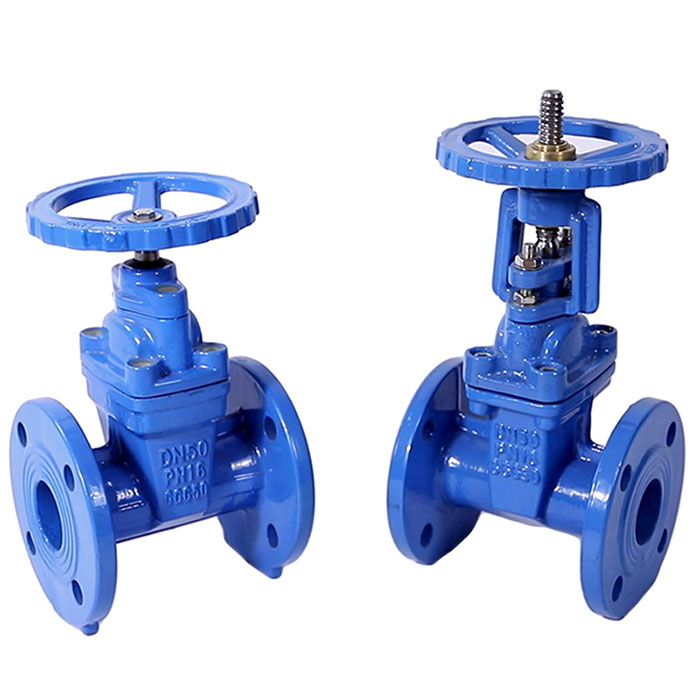
A resilient gate valve is a type of gate valve where the gate and valve seat are coated or made with elastomeric materials, typically EPDM (ethylene propylene diene monomer) or NBR (nitrile butadiene rubber). This elastomeric coating ensures tight sealing even when the valve closes around small particles or debris present in the fluid.
The valve design features a flat-bottomed body with a wedge-shaped gate, which reduces wear on the sealing surfaces while allowing particles to pass through freely. Unlike conventional grooved metal-seated valves, the flat bottom prevents sediment accumulation and minimizes flow obstruction. This design enables full-port flow with minimal pressure drop, effectively matching the pipeline's inner diameter.
The "resilient" aspect refers to the elasticity of the seat material. When the gate closes, the elastomeric surface deforms slightly to create a secure, leak-proof seal. This deformation accommodates minor impurities without compromising valve integrity, making resilient gate valves suitable for a wide range of fluids and operating conditions.
The valve body is primarily constructed from ductile cast iron, chosen for its excellent mechanical strength, durability, and corrosion resistance. In some specialized applications, cast steel or stainless steel bodies may be used to handle higher pressures or aggressive fluids.
The design ensures the body can withstand operational stresses while supporting the sealing and stem mechanisms reliably. Ductile iron offers sufficient toughness to resist cracking and mechanical fatigue over years of operation, while still being cost-effective for large-scale water distribution networks.
The gate and valve seat are usually made of EPDM or NBR rubber.
EPDM is highly resistant to water, steam, alkalis, and acids, making it ideal for potable water and wastewater systems. It retains elasticity over a wide temperature range.
NBR provides excellent resistance to oils, fuels, and some industrial chemicals, which is particularly useful in certain industrial processes.
The elastomeric coating allows the gate to form a tight seal against the seat while reducing wear and tear. The wedge-shaped design further distributes pressure evenly across the gate, minimizing stress concentration and extending the life of the valve.
Resilient gate valves often feature epoxy resin powder coatings, applied via electrostatic spraying. The process involves:
- Powder Application: Charged epoxy powder particles adhere to the valve body surface using an electrostatic spray gun.
- Curing: The valve is baked at 180–200°C, causing the powder to melt and form a solid, continuous coating layer.
- High Hardness and Scratch Resistance: Ensures mechanical durability and prevents damage during handling or operation.
- Corrosion Resistance: Protects against water, chemicals, alkalis, acids, and saltwater, extending the service life of the valve.
- Uniform Coverage: Low viscosity ensures smooth, even coating without needing a primer.
- Safe for Drinking Water: Coatings do not dissolve or leach into water, maintaining water quality.
This combination of ductile iron body and epoxy coating ensures both structural integrity and resistance to environmental degradation, making resilient gate valves ideal for long-term use in demanding conditions.
The valve stem is a critical component that ensures leak-free operation while allowing smooth opening and closing. Modern resilient gate valves use a triple O-ring sealing system, which provides several advantages over traditional packing:
- Reduced Gland Pressure: Prevents stem leakage while lowering operating torque.
- Dust Protection: A dust ring prevents dirt and debris from entering the sealing area, preserving integrity.
- On-Line Replacement: O-rings can be replaced under pressure, allowing maintenance without shutting down the pipeline.
The O-ring system ensures that external leakage is minimized while maintaining smooth operation over many cycles. This design also reduces wear on actuators or handwheels, further extending the service life of the valve.
- Enhanced Sealing: The elastomeric gate and seat provide superior shut-off performance compared to metal-seated valves, even under low-pressure conditions.
- Corrosion Resistance: Ductile iron bodies combined with epoxy coatings and elastomeric seals resist aggressive media and environmental exposure.
- Durability: The combination of flexible sealing material and wedge-shaped gates minimizes wear, reducing maintenance requirements.
- Smooth Operation: Lower torque requirements allow easy manual or actuator-driven operation, protecting connected components.
- Versatility: Suitable for water distribution, wastewater treatment, industrial chemical processes, and fire protection systems.
- Full Port Design: Matching the pipeline's diameter ensures minimal flow resistance and energy loss.
Resilient gate valves are widely used in potable water pipelines due to their leak-proof design, corrosion resistance, and minimal flow resistance. They ensure reliable service in water distribution networks, pumping stations, and reservoirs.
The flat-bottom valve design allows suspended particles to pass freely without accumulating and causing blockages. Resilient gate valves are therefore ideal for sewage treatment plants, effluent lines, and stormwater pipelines.
Chemical processing plants, food and beverage facilities, and industrial cooling systems benefit from resilient gate valves' resistance to corrosion and ability to handle varied media. NBR variants provide compatibility with oils and chemicals.
Reliable shut-off is crucial for fire hydrants and sprinkler systems. Resilient gate valves provide smooth operation and minimal maintenance, ensuring readiness during emergencies.
In agriculture, resilient gate valves control water distribution efficiently while handling sediments and debris commonly found in irrigation channels.
Correct installation is essential for optimal valve performance:
- Alignment: Ensure the valve aligns properly with the pipeline to prevent stress on the body and seat.
- Clearance: Allow sufficient space for manual or actuator operation.
- Flow Direction: Some valves may be unidirectional; verify orientation before installation.
- Support: Avoid overloading the valve with pipe weight; use supports to reduce strain.
Proper installation extends valve life, ensures smooth operation, and prevents premature wear.
While resilient gate valves require less maintenance than traditional valves, periodic checks are recommended:
- Inspect the epoxy coating and body for damage or corrosion.
- Check stem O-rings and dust rings for wear; replace as necessary.
- Verify smooth operation by opening and closing the valve.
- Keep surrounding areas free of debris to prevent contamination.
- For industrial applications, ensure periodic testing under pressure to detect leaks early.
Preventive maintenance reduces downtime, improves reliability, and maximizes the service life of the valve.
Resilient gate valves offer multiple advantages compared to metal-seated valves:
- Zero Leakage: The flexible seat forms a tighter seal.
- Lower Operating Torque: Smooth operation reduces strain on actuators and handwheels.
- Corrosion Resistance: Protects against aggressive water, chemicals, and environmental exposure.
- Reduced Maintenance: Long-lasting sealing surfaces and on-line O-ring replacement minimize operational interruptions.
- Minimal Flow Resistance: Full-port design ensures efficient flow with minimal energy loss.
These benefits make resilient gate valves highly suitable for modern water distribution, industrial, and fire protection systems.
- Smart Actuation: Integration with electric or hydraulic actuators for remote operation and monitoring.
- Advanced Coatings: New polymer or hybrid coatings for enhanced corrosion and abrasion resistance.
- IoT Integration: Real-time flow monitoring and leak detection via connected sensors.
- Sustainable Materials: Development of eco-friendly elastomers and coatings to reduce environmental impact.
- Extended Life Seals: Next-generation elastomers capable of withstanding higher pressures and chemical exposure.
These innovations will further enhance reliability, performance, and operational efficiency for resilient gate valves in all sectors.
Resilient gate valves are a modern, reliable solution for controlling fluid flow in a wide variety of applications. Their combination of ductile iron construction, elastomeric sealing surfaces, epoxy coatings, and advanced stem sealing ensures exceptional durability, corrosion resistance, and leak-proof operation.
By understanding design principles, material choices, coating technologies, and maintenance practices, engineers and operators can optimize performance and maximize service life. From municipal water networks and wastewater treatment to industrial processes and fire protection systems, resilient gate valves remain a top choice for modern infrastructure.
As a leading resilient gate valve manufacturer in China, our valves are engineered for superior performance, long service life, and compliance with international standards, ensuring reliable operation in demanding environments.
