In modern industrial pipeline systems, valves play a critical role in controlling the movement of fluids such as water, steam, oil, gas, and chemicals. Among the many valve types used in industrial operations, gate valves remain one of the most widely adopted solutions for isolation service. One particular design that stands out for its operational visibility and reliability is the rising stem gate valve.
Rising stem gate valves are widely used in industries where precise shut-off capability, durability, and clear valve position indication are essential. Their distinctive design allows operators to easily determine whether the valve is open or closed, which significantly improves operational safety and system management. From oil refineries and petrochemical plants to water treatment facilities and power generation stations, rising stem gate valves are valued for their robustness and performance in demanding environments.
As industries continue to expand and modernize, the demand for reliable flow control components has increased. Rising stem gate valves offer an ideal combination of durability, efficiency, and ease of maintenance, making them a preferred solution in both new installations and infrastructure upgrades. This article explores the design principles, key features, advantages, applications, installation considerations, and future development trends of rising stem gate valves.
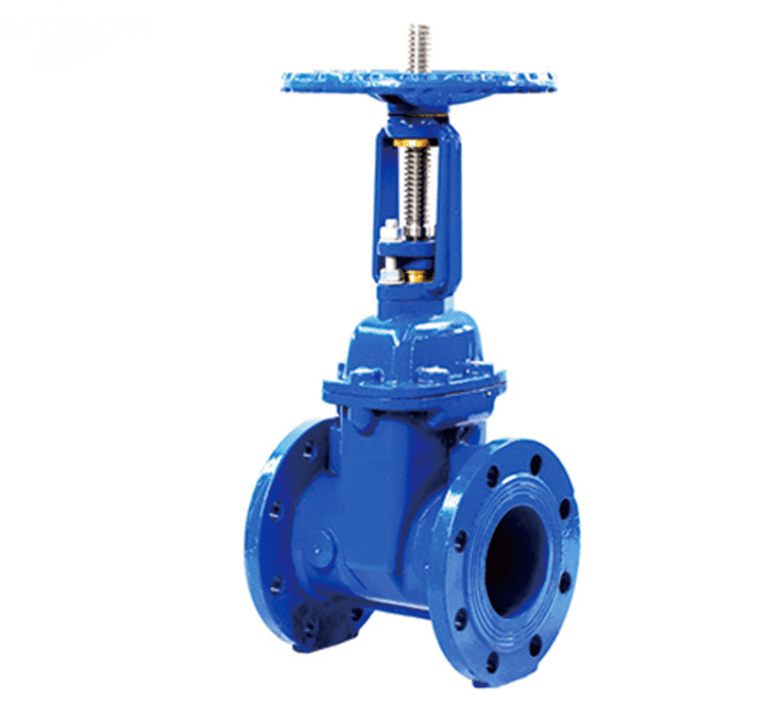
A rising stem gate valve is a type of isolation valve designed with a threaded stem that moves vertically when the valve is operated. When the valve handwheel is rotated, the stem either rises or lowers depending on whether the valve is being opened or closed. This vertical movement directly corresponds to the position of the internal gate.
When the valve is opened, the stem rises above the handwheel, clearly indicating that the gate has moved away from the flow path. Conversely, when the valve is closed, the stem retracts downward as the gate moves into the sealing position, stopping fluid flow through the pipeline.
The rising motion of the stem provides a visible and reliable indication of valve status, which is especially important in industrial environments where operators must quickly verify equipment conditions. This design contrasts with non-rising stem gate valves, where the stem rotates but does not move vertically, making it harder to visually determine the valve position.
Rising stem gate valves typically operate through a multi-turn mechanism. The handwheel must be rotated several times to move the gate fully from the closed to the open position. This gradual movement allows for controlled operation and reduces the risk of water hammer or sudden pressure fluctuations within the pipeline.
Rising stem gate valves consist of several key components that work together to ensure reliable performance and long service life.
The valve body serves as the main pressure-containing structure of the valve. It houses the internal components and provides the connection point to the pipeline. The body is typically manufactured from materials such as cast iron, carbon steel, stainless steel, or alloy steel to withstand high pressure and harsh operating conditions.
The gate is the internal component responsible for blocking or allowing flow. It moves vertically within the valve body to either seal the pipeline or open the passage completely. Gates are usually wedge-shaped to provide tight sealing under pressure.
The stem connects the handwheel to the gate and transmits the rotational motion into linear movement. In rising stem designs, the stem threads engage with the handwheel assembly, causing the stem to move upward or downward during operation.
The bonnet is mounted on top of the valve body and encloses the stem and packing assembly. It also helps maintain pressure containment within the valve.
The packing seals the area around the stem to prevent leakage while allowing the stem to move freely. The gland compresses the packing material to maintain an effective seal.
Most rising stem gate valves are operated manually using a handwheel, although automated versions may use electric, pneumatic, or hydraulic actuators for remote operation.
Rising stem gate valves are designed with durability in mind. High-quality materials such as cast steel, stainless steel, ductile iron, and corrosion-resistant alloys ensure that the valves can withstand harsh industrial environments.
These materials provide excellent resistance to corrosion, erosion, and mechanical stress, enabling the valves to perform reliably even under extreme operating conditions.
Advanced manufacturing technologies allow rising stem gate valves to be produced with precise tolerances and high-quality finishing. This precision ensures smooth operation, reliable sealing, and minimal leakage.
Carefully machined components help reduce friction and improve the overall efficiency of valve operation.
One of the most important advantages of rising stem gate valves is the visible stem movement. Operators can quickly determine whether the valve is open or closed simply by observing the position of the stem.
This feature enhances safety, particularly in large industrial facilities where numerous valves must be monitored.
Rising stem gate valves are commonly used in systems operating under high pressure and high temperature. Their strong structural design and reliable sealing mechanisms make them suitable for demanding environments such as steam systems and oil pipelines.
Many manufacturers offer customization options to meet specific application requirements. These options may include different body materials, pressure ratings, end connections, and actuator types.
Customization allows rising stem gate valves to be adapted for a wide range of industries and operating conditions.
The rising stem design provides a direct and visible indication of the valve's operating position. This feature is extremely valuable in industrial settings where safety and operational awareness are essential.
Operators can quickly confirm whether the valve is open or closed without relying on additional indicators.
Because the stem rises during operation, the contact between the stem threads and other internal components is minimized. This reduces friction and wear, which contributes to longer service life.
The exposed stem makes inspection and maintenance easier compared to non-rising stem designs. Technicians can easily access the stem and packing components for adjustments or replacements.
Gate valves are designed primarily for isolation service, and rising stem gate valves excel in providing tight shut-off. The wedge-shaped gate ensures strong sealing capability, preventing leakage in critical systems.
With proper maintenance and high-quality materials, rising stem gate valves can operate reliably for many years. Their simple mechanical design also reduces the likelihood of mechanical failure.
Rising stem gate valves are widely used across numerous industries due to their reliability and performance.
In oil and gas production, pipelines transport crude oil, natural gas, and refined products under high pressure. Rising stem gate valves provide reliable isolation in upstream, midstream, and downstream operations.
Petrochemical facilities process a variety of chemicals and hydrocarbons. Rising stem gate valves help control fluid flow in reactors, pipelines, and storage systems.
Power plants rely on reliable valves to manage steam, cooling water, and fuel systems. Rising stem gate valves are commonly used in boiler feedwater systems, steam pipelines, and auxiliary systems.
Municipal water systems require durable valves to regulate water flow in treatment plants and distribution networks. Rising stem gate valves offer reliable shut-off capability for water supply pipelines.
Ships and offshore platforms require robust valves capable of withstanding corrosive environments. Rising stem gate valves are used in seawater systems, ballast systems, and cargo pipelines.
Material selection plays a crucial role in the performance and durability of rising stem gate valves.
Cast iron valves are commonly used in water distribution systems due to their cost-effectiveness and adequate strength.
Carbon steel provides excellent strength and pressure resistance, making it suitable for oil, gas, and industrial applications.
Stainless steel offers superior corrosion resistance, making it ideal for chemical processing and marine environments.
Alloy steels are often used in high-temperature and high-pressure systems such as power plants and refineries.
Proper installation is essential for ensuring optimal valve performance.
First, the valve must be correctly aligned with the pipeline to prevent unnecessary stress on the valve body and internal components. Misalignment can lead to leakage or mechanical damage.
Second, installers should ensure that the flow direction matches the valve design specifications. Incorrect installation may affect sealing performance.
Third, sufficient space must be provided above the valve to accommodate the rising stem movement. Since the stem moves upward during operation, vertical clearance is required.
Finally, all bolts and connections should be tightened according to manufacturer specifications to ensure safe and leak-free operation.
Routine maintenance is necessary to ensure the long-term reliability of rising stem gate valves.
Regular inspection of the stem, packing, and sealing surfaces helps detect early signs of wear or damage. If leakage occurs around the stem, the packing may need adjustment or replacement.
Lubrication of moving parts can also help reduce friction and improve operational efficiency. Proper lubrication ensures smooth operation and extends the life of mechanical components.
Periodic pressure testing is recommended to confirm that the valve maintains its sealing integrity under operating conditions.
As industrial technology advances, valve manufacturers continue to improve the design and performance of rising stem gate valves.
Automation is becoming increasingly common, with electric and pneumatic actuators enabling remote operation and integration into digital control systems.
Smart valve technologies are also emerging, allowing operators to monitor valve status, pressure levels, and operational data in real time.
Additionally, advanced materials and surface coatings are being developed to improve corrosion resistance and extend valve service life in extreme environments.
Sustainability and energy efficiency are also driving innovation in valve manufacturing. Improved designs help reduce pressure loss and improve system efficiency, contributing to more sustainable industrial operations.
Rising stem gate valves remain a vital component in industrial pipeline systems due to their reliable isolation capability, durable construction, and clear visual position indication. Their straightforward mechanical design, combined with robust materials and precise engineering, allows them to perform effectively in demanding environments.
From oil and gas pipelines to power plants and water treatment facilities, rising stem gate valves continue to support critical infrastructure worldwide. Their advantages, including easy maintenance, reduced wear, and dependable sealing performance, make them a preferred choice for many industrial applications.
As industries move toward automation and smarter infrastructure, rising stem gate valves will continue to evolve with improved materials, advanced manufacturing techniques, and digital monitoring capabilities. These innovations will further enhance their reliability and efficiency, ensuring that they remain a key element in modern flow control systems.