
In industrial environments where reliability, durability, and high performance are non-negotiable, metal hard seal butterfly valves have become an indispensable component of modern pipeline systems. These valves are engineered to provide long-lasting service under harsh operating conditions, such as high temperatures, high pressures, corrosive fluids, and abrasive media. As industries continue to demand more robust and efficient flow-control solutions, the adoption of metal hard-sealed butterfly valves has surged across energy, petrochemical, metallurgical, water treatment, and process-automation sectors.
A metal hard-sealed butterfly valve is a type of quarter-turn regulating valve with a simple and efficient structure. Its closure element, commonly referred to as the valve disc or butterfly plate, rotates around a central shaft to open, restrict, or completely stop fluid flow. Unlike soft-sealed butterfly valves, which rely on elastomeric seats and are mainly suited for low-temperature and low-pressure applications, metal hard-sealed butterfly valves use metallic sealing materials that allow them to withstand severe working conditions.
Metal hard seal butterfly valves are versatile enough to manage a wide range of fluids, including air, steam, water, oils, chemical solvents, slurry, molten materials, cryogenic liquids, and even radioactive fluids. Their adaptability, strength, and ease of maintenance make them a trusted choice in industries that require consistent and safe operation even in the most challenging environments.
This article provides an in-depth examination of metal hard seal butterfly valves, including their structure, advantages, industrial applications, maintenance guidelines, selection strategies, and the growing trends influencing the global market.
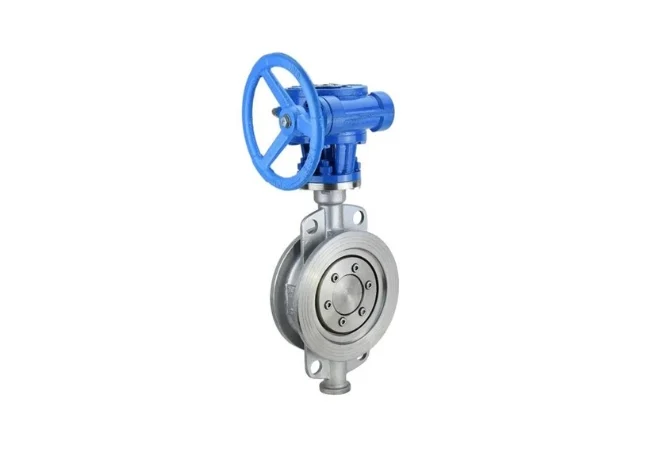
A metal hard seal butterfly valve is a high-performance industrial valve that uses a metal-to-metal sealing structure, typically between the disc and the valve seat. The metal seal ensures resistance to:
- High temperatures
- High pressures
- Mechanical wear
- Corrosive or abrasive fluids
At its core, the valve consists of a central disc mounted on a shaft. When the valve is rotated 90 degrees, the disc either aligns with the fluid flow to allow a full-open passage or blocks the flow to ensure complete closure.
The metal seat and metal disc interface provide strong sealing performance and improved durability compared to soft-seal butterfly valves. This design makes metal hard seal butterfly valves suitable for:
- Steam pipelines
- High-pressure gas lines
- Petroleum and petrochemical process equipment
- Power plant boiler systems
- High-temperature furnaces
- Abrasive slurry handling systems
Their versatility and long service life make them an attractive option for engineers seeking reliable flow-control solutions.
The working principle of a metal hard seal butterfly valve is based on the rotation of a central disc:
The disc is rotated parallel to the flow direction, creating a large passage area. This minimizes pressure loss and allows efficient throughput of fluid.
The disc is partially rotated to control flow. Metal hard seal butterfly valves can precisely regulate flow rates even under high-pressure differential conditions.
The disc is rotated perpendicular to the pipeline, pressing tightly against the metal seat. The metal-to-metal sealing ensures minimal leakage and high sealing integrity, even in extreme environments.
Many modern metal hard seal butterfly valves incorporate triple-offset (TOV) designs, which:
- Reduce friction during opening/closing
- Extend seal life
- Improve torque control
- Provide zero leakage capability
Metal hard seal butterfly valves offer a range of high-performance features engineered for industrial reliability:
Thanks to all-metal sealing surfaces, these valves operate in environments ranging from cryogenic conditions to temperatures exceeding 500°C and pressures above 40 bar.
Metal seals resist abrasion, corrosion, and mechanical deformation, ensuring long-term operation even under severe fluid conditions.
With precision engineering and tight tolerances, metal hard-sealed valves can provide dependable shut-off, preventing leakage and ensuring operational safety.
The disc is often designed with ribbed or reinforced structures to improve strength while reducing resistance to flow.
These valves handle various media types, including:
- Steam
- Compressed gases
- Oil, petroleum derivatives
- Chemical solvents
- Slurry and mud
- Liquid metals
They can be equipped with:
- Electric actuators
- Pneumatic actuators
- Hydraulic actuators
for remote or automated control.
The metal seat and disc are engineered for long operational life, even under continuous use.
Metal hard seal butterfly valves are widely used across numerous industries, particularly those that require robust performance and operational safety.
Used in:
- Boiler feedwater systems
- Steam distribution lines
- Cooling loops
- Turbine systems
Their ability to withstand high temperatures and pressures make them essential for thermal and nuclear power plants.
Ideal for:
- Crude oil processing
- Gas handling systems
- Chemical reaction processes
- Catalyst handling systems
Metal seats offer resistance to corrosive chemicals and volatile compounds.
Used in:
- Pipeline transmission
- Storage facilities
- Offshore drilling platforms
- LNG plants
Durable sealing and high-pressure capability ensure reliability.
Processes involving molten materials and high-temperature gases rely heavily on metal-sealed valves.
With resistance to corrosive fluids, they perform well in acid, alkali, and solvent pipelines.
Used in:
- Black liquor processing
- High-temperature steam applications
- Fiber and slurry transportation
Although soft-sealed valves are common, metal-sealed valves are preferred for high-temperature or abrasive wastewater conditions.
Metal hard seal butterfly valves offer several advantages compared to soft-sealed or rubber-lined valves:
Metal seals are unaffected by heat, unlike soft seals which deform at high temperatures.
Metal components withstand mechanical stress and chemical degradation.
Soft-sealed valves are limited in pressure handling, while metal-sealed valves easily manage high-pressure steam and gas systems.
Metal seals resist wear from slurry, mud, and particulate-laden fluids.
Metal-to-metal seals maintain functionality in fire-safe system requirements.
To ensure optimal performance and long operational life, regular maintenance is essential. Below are key maintenance recommendations:
Inspect for:
- Wear
- Corrosion
- Cracks
- Shaft misalignment
- Seal surface abrasion
Special attention should be paid to the metal sealing ring and flanged joints.
Keep the valve interior free of debris, scaling, and sediment buildup. Contaminants can impair sealing or obstruct disc movement.
Lubricate:
- Shafts
- Bearings
- Moving joints
as recommended by the manufacturer to ensure smooth operation.
Metal seals should be regularly checked for:
- Erosion
- Pitting
- Surface deformation
Replace seals promptly if wear is detected.
Flange bolts must be tightened according to torque specifications to ensure secure and leak-proof operation.
For automated valves:
- Inspect air supply (if pneumatic)
- Check torque output (if electric)
- Test fail-safe features
- Verify calibration
Proper actuator maintenance ensures reliable, responsive operation.
Selecting the right metal hard seal butterfly valve is crucial for system safety and efficiency. Engineers should consider the following steps:
Understand:
- Fluid type
- Viscosity
- Abrasiveness
- Corrosiveness
- Pressure and temperature range
Select metal alloys that match fluid conditions, such as:
- Stainless steel (304/316)
- Duplex stainless steel
- Alloy steel
- Inconel
- Titanium
Always match valve ratings (ANSI, PN, JIS) to system requirements.
Oversizing or undersizing can reduce performance. Proper sizing ensures efficient flow control.
Confirm flange standards:
- ANSI B16.5
- DIN EN 1092-1
- JIS B2220
Based on system automation needs:
- Manual gear
- Electric actuator
- Pneumatic actuator
- Hydraulic actuator
Ensure the valve meets relevant industry standards:
- API
- ISO
- ASME
- EN
- GB
Choose experienced manufacturers with testing, certification, and after-sales support.
The global market for metal hard seal butterfly valves is experiencing significant growth due to increasing demand in energy, petrochemical, and industrial automation sectors. Key trends include:
More industries require valves capable of withstanding extreme conditions, driving adoption of metal-sealed designs.
Expansion of thermal, nuclear, and renewable power infrastructure continues to increase valve requirements.
Modern triple-offset valves offer:
- Zero leakage performance
- Reduced torque requirements
- Improved energy efficiency
Automation enables:
- Remote monitoring
- Digital diagnostics
- Predictive maintenance
Manufacturers are developing advanced metal alloys and coatings to enhance durability.
Metal hard seal butterfly valves have become a cornerstone of industrial flow-control systems, offering unmatched durability, high-temperature resistance, and reliable shut-off capabilities. Their robust construction and metal-to-metal sealing make them ideal for challenging applications across power generation, petrochemicals, metallurgy, water treatment, and chemical processing.
By following proper maintenance practices and selecting the right valve materials and configurations, industries can achieve long-term performance, reduced downtime, and enhanced safety. As global industrial infrastructure continues to expand and evolve, metal hard-sealed butterfly valves will remain vital components in achieving efficient, reliable, and high-performance pipeline operations.
