
In the modern industrial landscape, valves play an essential role in controlling fluid flow, ensuring safety, and optimizing process efficiency. Among various types, top entry ball valves have emerged as a critical choice in high-pressure, high-temperature, and high-demand applications. Known for their unique design and operational advantages, these valves are widely used in the oil and gas, petrochemical, chemical, and power generation industries.
Unlike conventional side-entry valves, top entry ball valves are engineered for convenience, durability, and reliable performance, offering the ability to access internal components without removing the valve from the pipeline. This capability significantly reduces maintenance downtime, enhances operational safety, and improves overall system efficiency.
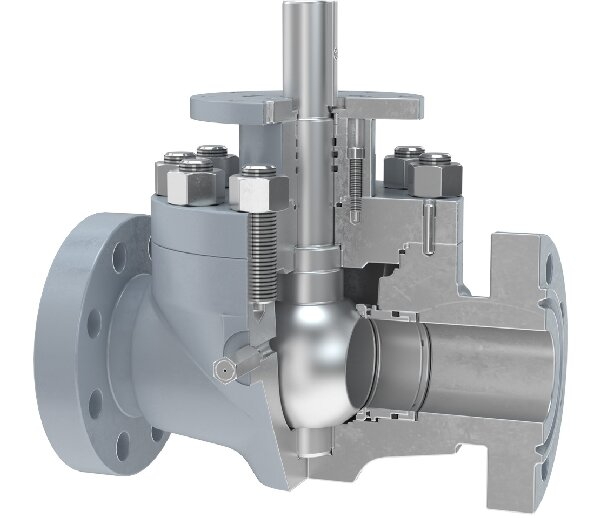
A top entry ball valve is a specialized type of ball valve with an entry point located at the top of the valve body, allowing internal components like the ball, seats, and seals to be serviced directly from the top. This configuration distinguishes it from side-entry ball valves, where access requires removing the valve body from the pipeline.
The core operating principle is straightforward yet highly effective. The valve contains a spherical ball with a bore, positioned between two seats. When the ball is rotated 90 degrees via a stem and actuator mechanism, the bore aligns or misaligns with the pipeline, allowing or stopping fluid flow.
Top entry ball valves are favored in scenarios where operational continuity, safety, and minimal maintenance downtime are critical. Typical industries and applications include:
- Oil and Gas Pipelines: Handling crude oil, refined petroleum, and natural gas under high pressure.
- Petrochemical Plants: Transporting aggressive chemical fluids and corrosive liquids.
- Power Generation: Controlling steam, water, and other high-temperature fluids.
- Chemical Processing: Managing acids, alkalis, and other hazardous substances.
Their robustness, high-pressure rating, and exceptional sealing capabilities make them suitable for critical process control points, where leakage or valve failure could have significant safety or financial consequences.
The structure of a top entry ball valve is designed for efficiency, reliability, and ease of maintenance. It typically consists of the following components:
- Valve Body: A one-piece or multi-piece construction housing the internal components. Its thick walls provide strength and resistance to high pressure.
- Bonnet: Positioned at the top of the valve body, the bonnet allows easy access to the valve internals. It is usually attached with heavy-duty bolts or flanges.
- Ball: The heart of the valve, typically crafted from high-grade metals, featuring a bore for fluid passage.
- Seats and Seals: Soft or metal seats provide tight shut-off and minimal leakage. Advanced sealing materials ensure compatibility with aggressive or corrosive fluids.
- Stem and Actuator: The stem connects the ball to the actuator, enabling rotation to open or close the valve. Actuators can be manual (lever or gear) or automated (electric, pneumatic, or hydraulic).
- Open Position: The ball's bore aligns with the pipeline, allowing full fluid flow.
- Closed Position: The ball rotates 90 degrees, perpendicular to the pipeline, blocking flow entirely.
The top-entry design allows maintenance personnel to remove the bonnet and access the ball, seats, and seals without removing the entire valve from the line, a significant advantage for large-diameter pipelines or installations in restricted spaces.
To understand the unique advantages of top entry valves, it's helpful to contrast them with side entry ball valves. Side entry valves are constructed in two or three pieces, with the ball installed from the side. While they are reliable and commonly used in high-performance industries, they have certain limitations:
- Maintenance requires full removal from the pipeline.
- Repairs or inspections are more labor-intensive and time-consuming.
- Accessibility can be limited in large-scale installations.
Side entry ball valves remain popular in transmission lines, compression units, reinjection systems, and measuring stations, where performance under extreme pressures is critical. However, their structural complexity makes top entry valves preferable for ease of maintenance and rapid operational readiness.
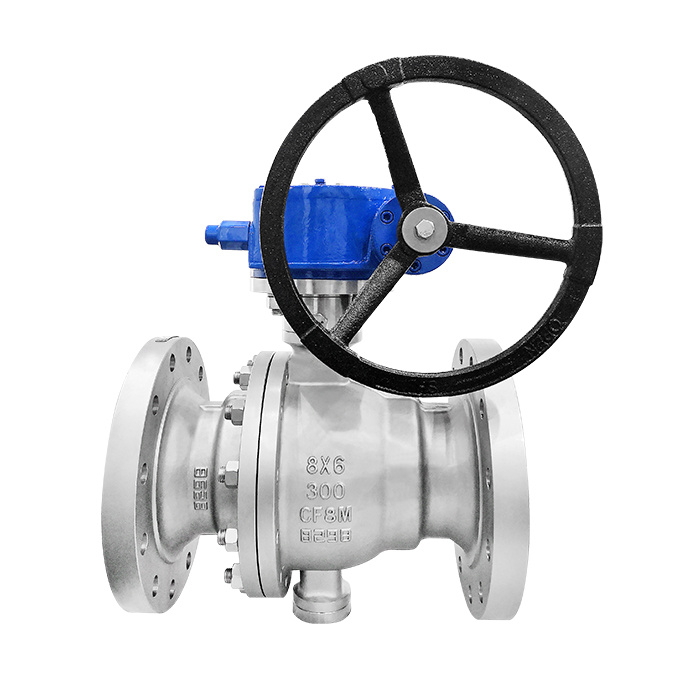
Top Entry Ball Valve:
One-piece body construction ensures structural integrity at high pressures.
The top-entry bonnet design enables direct access to internal components.
Fewer parts and simpler assembly facilitate easier inspection and maintenance.
Side Entry Ball Valve:
Two or three-piece body construction allows for easier manufacturing of large-diameter valves.
Side access requires partial disassembly for maintenance.
Slightly more complex design may require specialized tools or procedures.
Top entry ball valves significantly reduce maintenance time and labor. Technicians can access the internal components directly from the top without pipeline disassembly. In contrast, side entry valves often require pipeline isolation and full component removal, increasing downtime and operational costs.
Top entry ball valves generally offer superior sealing, using advanced seat materials compatible with aggressive or corrosive media. These valves minimize leakage even under extreme conditions. Side entry valves may offer comparable sealing, but achieving the same reliability often requires more frequent maintenance.
Temperature tolerance depends largely on the seat material:
- Soft-seated valves: Suitable for temperatures up to approximately 260°C.
- Metal-seated valves: Can withstand temperatures up to 540°C, ideal for high-temperature processes.
Both valve types can be engineered for high-temperature applications, but top entry valves allow easier seat replacement and maintenance, ensuring consistent performance over the valve's lifespan.
- Ease of Maintenance: Quick access to internals without removing the valve from the line.
- Reduced Downtime: Faster inspection, repair, and replacement lead to higher operational efficiency.
- High Reliability: Durable design with strong body and advanced seals.
- Versatility: Suitable for high-pressure, high-temperature, and corrosive fluid applications.
- Safety: Minimizes exposure to hazardous media during maintenance.
- Cost-Effective: Reduced labor and downtime lower total operational costs over the valve lifecycle.
Top entry ball valves are typically manufactured from robust metals such as stainless steel, carbon steel, duplex stainless steel, or alloy steel. The choice of materials depends on the application, pressure rating, and fluid type. Seats may be soft (PTFE, RPTFE, PEEK) or metal (stainless steel, cobalt alloys) depending on temperature and fluid compatibility.
Key Material Considerations:
- Body Material: Determines pressure and corrosion resistance.
- Ball Material: Needs high hardness and corrosion resistance.
- Seat Material: Ensures tight shut-off and longevity.
- Sealing Material: Should resist wear, chemical attack, and temperature fluctuations.
Top entry ball valves can be operated manually or automatically, depending on application requirements:
- Manual Operation: Lever, gear, or handwheel actuators.
- Pneumatic Actuation: Compressed air drives valve rotation, ideal for remote or automated control.
- Electric Actuation: Electric motors provide precise, programmable control, often integrated into process automation systems.
- Hydraulic Actuation: Uses fluid power to control large valves in high-pressure applications.
Actuation choice impacts response speed, precision, and integration with industrial control systems.
Top entry ball valves are generally installed in horizontal or vertical pipelines, with attention to:
- Support and Alignment: To prevent stem misalignment and ensure smooth operation.
- Accessibility: Ensure sufficient clearance above the valve for bonnet removal.
- Integration with Instrumentation: Automation, sensors, and actuators should be easily accessible.
- Pressure Testing: Pre-commissioning tests verify sealing integrity and valve function.
Proper installation ensures maximum performance and longevity, minimizing maintenance and operational disruptions.
Top entry ball valves are indispensable in industries requiring high-performance fluid control. Common applications include:
- Oil & Gas: Transmission lines, refinery processes, gas distribution, and LNG facilities.
- Petrochemical Plants: Corrosive chemical handling and processing units.
- Power Plants: Steam, cooling water, and chemical dosing systems.
- Marine and Offshore: Ballast systems, fuel transfer, and process pipelines.
- Water Treatment and Desalination: High-pressure brine or chemical dosing lines.
The valve's robust design, ease of maintenance, and reliable sealing make it ideal for applications where operational reliability is critical.
While top entry ball valves offer numerous advantages, certain factors must be considered:
- Size and Weight: Large-diameter valves can be heavy, requiring structural support for maintenance access.
- Cost: Higher initial cost compared to standard side entry valves due to specialized design.
- Complex Manufacturing: Precision machining is essential for proper sealing and operation.
- Bonnet Access: Adequate clearance above the valve is required for maintenance.
By planning for these factors, operators can fully leverage the benefits of top entry ball valves while mitigating operational challenges.
Top entry ball valves represent a pinnacle of engineering efficiency, reliability, and operational convenience in modern fluid control systems. Their unique design allows for easy maintenance, minimal downtime, and superior sealing, making them an indispensable solution for high-pressure, high-temperature, and corrosive applications.
When compared to side entry valves, top entry designs offer clear advantages in maintenance efficiency, sealing reliability, and operational safety, particularly in industries like oil and gas, petrochemical, power generation, and chemical processing.
As technology advances, top entry ball valves continue to evolve with enhanced materials, advanced sealing technologies, and automated actuation options, ensuring they remain at the forefront of industrial valve solutions.
For engineers, plant managers, and maintenance personnel, understanding the structural, operational, and maintenance benefits of top entry ball valves is crucial for optimizing pipeline performance, safety, and cost-effectiveness in demanding industrial environments.
