Valves are essential components in industrial fluid control systems, responsible for regulating, directing, or isolating flow. Among the various types of valves available, parallel slide gate valves stand out for their unique design and superior performance in high-pressure and high-temperature applications. Unlike traditional wedge-shaped gate valves, parallel slide gate valves employ two parallel discs connected via a free-moving stem, allowing for precise flow control and enhanced durability.
These valves are widely used in power plants, chemical processing facilities, oil and gas pipelines, and other industrial environments where reliable sealing, minimal stress, and operational safety are critical. This article provides a comprehensive overview of parallel slide gate valves, including their working principles, design features, types, advantages, applications, and maintenance considerations.
A parallel slide gate valve is a type of gate valve designed with two parallel discs that slide against parallel seat rings. This configuration differs from conventional wedge-shaped gate valves, where the wedge must deform to create a seal. By using parallel discs and a spring mechanism, the valve achieves a tight seal without the risk of wedge jamming or excessive stress accumulation.
The unique design allows the valve to handle high-pressure, high-temperature fluids reliably while offering smooth operation, low wear, and extended service life. Its ability to seal effectively under low and high-pressure conditions makes it suitable for diverse industrial applications.
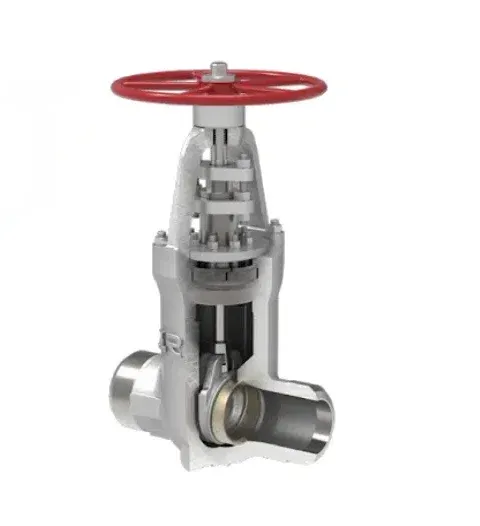
The operation of a parallel slide gate valve is based on the movement of two parallel gates or discs. These discs are connected via a stem, which controls the vertical movement to open or close the valve.
- Valve Opening: When the valve is open, the discs move parallel to the pipeline, creating minimal resistance and allowing fluid to flow freely. This design ensures efficient flow with low pressure drop.
- Valve Closing: When the valve is closed, the discs slide down onto the seat rings, forming a tight seal. A spring between the discs maintains constant contact with the seat, providing reliable sealing even under varying pressure conditions.
This design eliminates the reliance on wedge deformation for sealing, which is a common issue in traditional gate valves. The spring-loaded parallel discs automatically adjust to minor wear or misalignment, ensuring long-term operational reliability.
Parallel slide gate valves are often considered a specialized variation of traditional gate valves, offering advantages that enhance durability and safety:
Spring-Loaded Discs: Two halves of the disc are compressed by a spring to maintain constant contact with the seat rings. This ensures a reliable seal without relying on wedge action.
Permanent Seat Contact: The discs remain in contact with the seat rings, which reduces the risk of leakage and improves sealing performance under fluctuating pressures.
Free-Moving Stem: The stem allows the discs to move independently, preventing stress accumulation and reducing the likelihood of mechanical failure.
Horizontal Spring Mechanism: The spring provides the initial sealing force, especially effective under low-pressure conditions, ensuring reliable performance across a range of operational pressures.
These features make parallel slide gate valves particularly suitable for high-pressure steam lines, boiler systems, and applications involving thermal cycling.
Parallel slide gate valves come in a variety of designs tailored to different industrial needs:
Flanged end valves use bolts and flanges to connect to pipelines. They are easy to install and remove, simplifying maintenance and repairs. Flanged valves are suitable for high-pressure applications where secure connections are required.
Threaded end valves feature threaded connections for integration into pipelines. They are ideal for low- to medium-pressure systems and offer reliable sealing with simple installation, making them suitable for smaller industrial pipelines or retrofits.
Forged parallel slide gate valves are manufactured using forging processes that enhance mechanical strength and durability. These valves are highly resistant to high pressure, high temperature, and mechanical stress, making them suitable for demanding applications such as oil and gas transmission and chemical processing.
Cast parallel slide gate valves are produced using casting processes, offering versatility and cost-effectiveness. They are widely used across industries including water treatment, petrochemicals, and power generation. Casting allows complex shapes and large valve sizes while keeping production costs manageable.
Parallel slide gate valves offer multiple advantages over conventional wedge-shaped valves, making them a preferred choice for industrial applications:
The free expansion design allows the discs to adjust independently, preventing excess stress from building up within the valve body. This design minimizes mechanical strain, extending the service life of the valve even under high-pressure conditions.
Spring-loaded discs automatically compensate for variations in seat distance, ensuring a tight seal at all times. This reduces the risk of leakage and enhances operational reliability, especially in critical applications such as steam and chemical pipelines.
By eliminating wedge jamming, parallel slide gate valves provide safe operation in environments with extreme temperature fluctuations. They are ideal for steam, boiler, and high-temperature industrial applications where traditional wedge valves may fail.
The parallel slide design minimizes damage to internal components during operation. With fewer moving parts and reduced wear on the seats and discs, maintenance requirements are lower, and downtime for repairs is minimized.
Parallel slide gate valves are generally more affordable than alternative solutions, such as double disc gate valves, while still delivering high performance. This makes them a cost-efficient option for industries seeking reliable flow control with lower total lifecycle costs.
Parallel slide gate valves are widely used in industries where reliable sealing and high-pressure performance are critical:
Power Generation: Steam, boiler, and feedwater systems in thermal and nuclear power plants benefit from the durability and high-temperature tolerance of parallel slide gate valves.
Oil and Gas: Upstream and downstream pipelines, refineries, and processing plants rely on parallel slide gate valves for high-pressure flow control.
Petrochemical and Chemical Industry: Resistant to thermal cycling and pressure fluctuations, these valves handle corrosive and high-temperature fluids effectively.
Water and Wastewater Treatment: Parallel slide gate valves provide reliable shutoff for high-pressure water transmission lines, treatment plants, and pumping stations.
Industrial Process Applications: Used in heating systems, cooling lines, and other high-temperature or high-pressure industrial processes.
Ensuring the long-term performance and reliability of parallel slide gate valves requires a proactive and systematic maintenance approach. Regular inspections are critical, as routine visual checks and operational tests can detect early signs of wear, corrosion, or leakage before they escalate into serious issues. Early detection helps prevent unplanned downtime and costly repairs.
Lubrication is another essential practice. Key moving components, including stems, discs, and bearings, must be properly lubricated to reduce friction, prevent seizing, and ensure smooth and reliable valve operation. Without adequate lubrication, mechanical components may experience accelerated wear, impacting performance and lifespan.
Seal and spring maintenance is equally important. Periodic replacement of gaskets, packing, seals, and the internal spring mechanisms ensures that the valve maintains a secure seal, even under varying pressures and temperatures. Proper upkeep prevents leakage and ensures operational safety.
Finally, material selection plays a vital role in valve longevity. Choosing materials suited to the specific fluid type, operating temperature, and pressure conditions reduces corrosion, erosion, and mechanical fatigue, enhancing overall reliability.
By combining regular inspections, proper lubrication, timely seal and spring maintenance, and appropriate material selection, industrial operators can maximize the lifespan of parallel slide gate valves, maintain consistent performance, and reduce maintenance-related downtime.
Parallel slide gate valves are manufactured according to international standards to ensure safety, reliability, and global compatibility:
- API 600 / API 603: Standardized design and testing for gate valves.
- ASME B16.34: Covers pressure-temperature ratings, dimensions, and materials.
- ISO 9001: Quality management system compliance.
- DIN / EN Standards: Ensures compatibility in European and international markets.
Compliance with these standards guarantees valve performance and ensures suitability for industrial applications.
As industrial requirements evolve, parallel slide gate valves are expected to incorporate new technologies and design improvements:
Advanced Materials: Development of high-performance alloys for extreme temperature and corrosion resistance.
Automation Integration: Electric, pneumatic, and hydraulic actuators improve operational efficiency and safety.
Smart Monitoring: Sensors and IoT-enabled valves provide real-time performance data and predictive maintenance capabilities.
Energy Efficiency: Optimized designs reduce pressure drops and energy consumption in pipelines.
These innovations will further enhance the reliability, safety, and efficiency of parallel slide gate valves in modern industrial systems.
Parallel slide gate valves represent a significant advancement over traditional wedge-shaped valves, offering enhanced durability, reliable sealing, and safe operation under high-pressure and high-temperature conditions. Their spring-loaded parallel discs, free-moving stems, and robust design make them ideal for a wide range of industrial applications, including power generation, oil and gas, chemical processing, water treatment, and other demanding environments.
By combining operational reliability, ease of maintenance, and cost-effectiveness, parallel slide gate valves continue to be a preferred choice for engineers and operators worldwide. With ongoing innovations in materials, automation, and monitoring, these valves are poised to meet the evolving demands of modern industrial systems while providing long-term performance and safety.