Gate valves are fundamental components in industrial piping systems, designed to regulate the flow of fluids by either fully opening or fully closing a pipeline. Among the different types of gate valves, metal seated gate valves have emerged as a preferred choice in challenging applications where standard soft-seated valves may fail. These valves are engineered to withstand high temperatures, high pressures, and aggressive fluids, offering durability and reliability in industries such as petrochemical, power generation, oil and gas, and chemical processing.
Unlike conventional resilient or soft-seated gate valves that rely on elastomeric materials for sealing, metal seated gate valves feature metal-to-metal contact surfaces between the gate and the seat. This design enhances wear resistance, ensures tight shutoff in extreme conditions, and extends the service life of the valve, making them ideal for high-pressure steam, abrasive slurries, and corrosive media.
This article explores the construction, working principle, advantages, material considerations, applications, and maintenance strategies for metal seated gate valves, highlighting their growing importance in modern industrial operations.
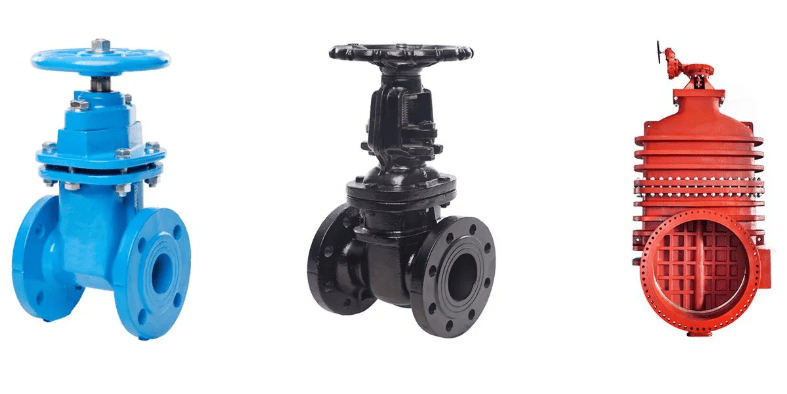
A typical metal seated gate valve consists of several critical components that contribute to its robustness and performance:
Body: The valve body forms the main pressure boundary and houses the internal components. Common materials include carbon steel, stainless steel, duplex stainless steel, and alloy steels, selected based on operating temperature, pressure, and media compatibility.
Gate/Disc: The gate, also referred to as the disc, moves perpendicular to the flow to open or close the valve. In metal seated designs, both the gate and the seat are made of hardened metal such as stainless steel, alloy steel, or special corrosion-resistant alloys. This ensures long-lasting durability even under abrasive or high-temperature conditions.
Seat Rings: The seat rings are fixed or replaceable rings embedded in the body, providing a precise sealing surface for the gate. Unlike soft-seated valves, these rings are machined for metal-to-metal contact, which allows the valve to achieve tight shutoff ratings even at high pressures.
Stem and Bonnet: The stem transmits motion from the actuator or handwheel to the gate. The bonnet houses the stem packing and provides a pressure-containing barrier. Materials and design ensure that these components can endure high torque and temperature fluctuations without failure.
Packing and Gaskets: While the sealing between the gate and seat is metal-to-metal, stem packing and body gaskets maintain leak-tight integrity around moving parts and joints, preventing external leakage.
Actuation Options: Metal seated gate valves can be manually operated using a handwheel, or actuated automatically through electric, pneumatic, or hydraulic actuators for remote and precise control.
The careful selection of materials and precision machining of seating surfaces are critical to achieving reliable performance in high-pressure, high-temperature, or abrasive service.
Metal seated gate valves operate on a simple yet effective principle. The gate moves vertically within the body to either block or allow flow through the valve. When the valve is fully open, the gate is completely withdrawn, providing minimal flow resistance and a full-bore passage. This ensures low-pressure drop and efficient flow of liquids, gases, or slurries.
When closing, the gate moves downward until it contacts the metal seat, forming a metal-to-metal seal that prevents fluid from passing through. The tight shutoff capability depends on the precision machining of the seating surfaces and, in some designs, slight elastic deformation of the metal to accommodate minor imperfections.
Unlike soft-seated valves, metal seated gate valves may require higher torque for operation due to the rigid metal contact. This is often mitigated through the use of lubricated or hardened stem threads, precision bearings, and powered actuators for larger valves.
Metal seated gate valves offer several benefits that make them indispensable in demanding industrial applications:
High Temperature and Pressure Tolerance: These valves maintain integrity under extreme operating conditions, often rated for Class 600, 900, or higher, with temperature resistance well above 500°C in certain alloy configurations.
Durability in Abrasive Service: The metal-to-metal sealing design resists erosion from slurries, particulates, and aggressive fluids, which would quickly damage soft-seated valves.
Longer Service Life: Hardened seating surfaces and corrosion-resistant materials reduce wear and extend operational life, lowering maintenance frequency and costs.
Tight Shutoff: When precision-manufactured, metal seated valves provide reliable leak-tight sealing, crucial for critical applications in chemical, petrochemical, and power plants.
Versatility: Metal seated gate valves are suitable for steam, oil, gas, water, slurry, and chemical applications, offering broad applicability across industrial sectors.
Fire-Safe Design: Many metal seated designs comply with API 607 or API 6FA fire-safe standards, making them suitable for hazardous environments.
Replaceable Seats: Advanced designs allow for replaceable seat rings, enabling maintenance without removing the entire valve from the pipeline.
The choice of materials for metal seated gate valves is critical to ensure performance, longevity, and safety:
Carbon Steel: Economical and suitable for moderate temperatures and pressures, often used in water, oil, or steam services.
Stainless Steel (CF8, CF8M, 316): Excellent corrosion resistance, suitable for chemical and food processing industries.
Duplex Stainless Steel (F51, F53): High strength and corrosion resistance, ideal for aggressive media and offshore applications.
Alloy Steels (Inconel, Monel, Hastelloy): Used in highly corrosive or high-temperature applications, such as petrochemical and chemical processing plants.
Hardened Steel or Chromium-Coated Surfaces: Enhance wear resistance in abrasive service conditions.
Seating surfaces are typically hard-faced with alloys or coatings to resist galling, erosion, and deformation, ensuring a long-lasting metal-to-metal seal.
Metal seated gate valves are widely used across multiple industries due to their robust design and versatility:
Petrochemical Industry: Handling hydrocarbons, crude oil, and refined products under high pressure and temperature. Metal seated valves resist erosive particles and maintain tight shutoff in pipelines.
Power Generation: Used in steam lines, condensate return lines, and boiler feedwater systems where high temperature and pressure are common.
Oil and Gas Industry: Suitable for upstream, midstream, and downstream operations, including production wells, pipelines, and refineries, where they manage high-pressure hydrocarbons and natural gas.
Chemical and Process Plants: Resist corrosive acids, alkalis, and solvents, ensuring reliable flow control and safety in chemical processes.
Marine and Offshore Applications: Duplex stainless steel metal seated valves withstand seawater corrosion and are ideal for offshore oil and gas platforms.
Slurry and Mining Operations: Handle abrasive fluids and slurries without rapid wear, maintaining performance in harsh environments.
While metal seated gate valves are designed for durability, proper maintenance ensures long-term performance:
Regular Inspection: Periodically check for leaks, wear, or corrosion on the gate, seat, stem, and body.
Lubrication: Ensure stems and threads are adequately lubricated, especially for high-torque applications.
Cleaning: Remove debris, scale, or abrasive particles that may interfere with gate movement.
Seat Replacement: Replace worn or damaged seat rings promptly to maintain tight shutoff and prevent operational issues.
Actuator Checks: For automated valves, verify actuator performance, torque settings, and electrical or pneumatic connections.
Proper operation techniques, such as avoiding rapid opening or closing and minimizing throttling, help prevent damage to metal seats and extend valve life.
Metal seated gate valves are manufactured according to strict international standards to ensure safety, quality, and performance:
API 600 / API 603: Design and manufacturing standards for steel gate valves.
ASME B16.34: Pressure-temperature ratings, materials, dimensions, and tolerances.
ISO 9001: Quality management certification ensuring consistent manufacturing quality.
API 607 / API 6FA: Fire-safe design for metal seated valves.
NACE MR0175 / MR0103: Material selection for resistance to sulfide stress cracking in oil and gas applications.
Compliance with these standards ensures valves can safely operate in high-pressure, high-temperature, and corrosive environments.
Recent trends in metal seated gate valve design include:
Enhanced Sealing Technologies: Development of hybrid metal-to-metal seats that improve sealing performance while reducing operating torque.
Advanced Coatings: Application of hard chrome, Stellite, or tungsten carbide coatings to resist wear and erosion.
Automation Integration: Increased use of electric and pneumatic actuators for remote operation and smart control systems.
Compact Designs: Reduced weight and footprint without compromising pressure and temperature ratings.
Predictive Maintenance: Sensors integrated with valves to monitor torque, temperature, and leakage for real-time diagnostics.
These innovations ensure that metal seated gate valves continue to meet the demands of modern industrial operations while improving reliability, efficiency, and safety.
Metal seated gate valves represent a critical solution for industries requiring high-performance, durable, and reliable flow control. Their ability to withstand extreme temperatures, high pressures, abrasive media, and corrosive fluids makes them indispensable in petrochemical, power, oil and gas, chemical, and mining applications.
While maintenance and correct operation are essential to achieve optimal performance, advances in materials, coatings, and actuator technology continue to improve the longevity and efficiency of these valves.
For industrial operators seeking a robust alternative to soft-seated valves, metal seated gate valves provide unmatched reliability, safety, and performance, making them a strategic investment for critical infrastructure and demanding industrial processes.
As a leading gate valve manufacturer in China, our company provides a full range of metal seated gate valves designed for the toughest industrial applications, ensuring durability, precision, and long-term operational efficiency.