Automatic control valves are specialty valves equipped with actuators that respond to signals from temperature, pressure, level, or flow sensors to regulate fluid movement with precision. These valves operate through electrical, hydraulic, or pneumatic control signals, enabling them to open, close, or modulate positions automatically. Widely used in water treatment plants, multi-story buildings, storage towers, irrigation networks, and reclaimed water systems, automatic control valves have become essential components in modern infrastructure and industrial processes. As industries increasingly rely on automation, these valves are playing a central role in improving efficiency, reliability, and operational safety.
Automatic control valves are designed to maintain process variables such as flow rate, pressure, temperature, or liquid level within predefined limits. Unlike manual valves, which require human intervention, automatic valves respond instantly to sensor feedback and control signals.
A typical automatic control valve system consists of:
- Valve body
- Actuator
- Positioner
- Sensors
- Controller or control system
The controller receives data from sensors and sends commands to the actuator, which adjusts the valve position. This closed-loop system allows continuous regulation without manual supervision.
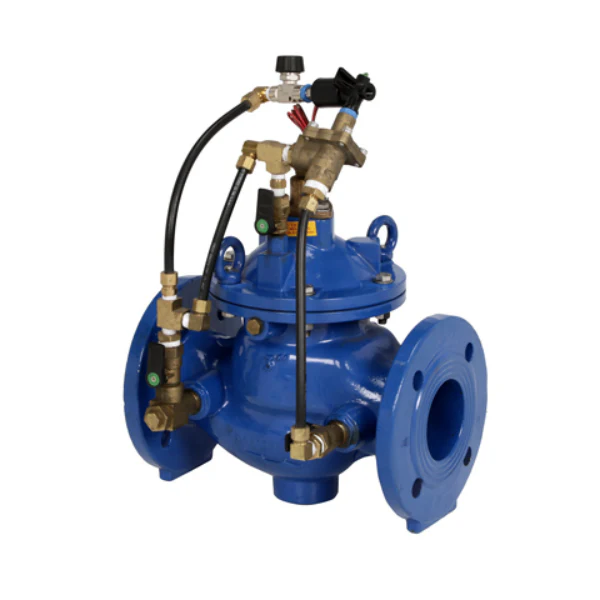
Automatic control valves operate through a feedback loop known as a control system. The process can be summarized in several steps:
- Sensors detect process conditions such as pressure or temperature.
- Data is transmitted to a controller.
- The controller compares measured values with target settings.
- A signal is sent to the valve actuator.
- The actuator adjusts valve opening to correct deviations.
This real-time adjustment ensures stable process performance and prevents system fluctuations.
Automatic control valves come in multiple designs tailored to specific applications.
These valves regulate upstream or downstream pressure automatically, protecting pipelines and equipment from pressure fluctuations.
Flow control valves maintain a constant flow rate regardless of system demand changes, ensuring consistent performance.
Often used in heating and cooling systems, these valves adjust fluid flow to maintain desired temperature levels.
Common in tanks and reservoirs, they regulate inflow or outflow to maintain a stable liquid level.
These valves redirect flow paths in systems requiring fluid distribution to multiple destinations.
The actuator is the driving force behind an automatic control valve. Different actuator types provide unique advantages depending on application requirements.
Electric actuators are widely used for their precision and ease of integration with digital control systems. They are suitable for remote operation and automated environments.
Pneumatic actuators operate using compressed air and are favored for their fast response and reliability in industrial settings.
Hydraulic actuators provide high force output and are used in heavy-duty applications requiring strong valve movement.
Each actuator type is selected based on factors such as response speed, torque requirements, environment, and power availability.
Automatic control valves are indispensable across multiple industries.
Water Treatment Facilities
In water treatment plants, valves regulate filtration flow, chemical dosing, and pressure levels to ensure safe drinking water.
Oil and Gas Industry
Control valves manage fluid transport, pressure control, and process safety in pipelines and refineries.
Power Generation
Power plants rely on automatic valves for steam control, cooling systems, and fuel regulation.
Chemical Processing
Precision flow regulation is essential in chemical plants to maintain reaction conditions and product quality.
HVAC Systems
Heating, ventilation, and air conditioning systems use control valves to maintain temperature and airflow balance.
The growing adoption of automatic control valves is driven by numerous operational benefits.
Precision Control
They allow highly accurate regulation of process variables, improving product consistency and system stability.
Labor Reduction
Automation eliminates manual valve adjustments, reducing labor costs and human error.
Energy Efficiency
Optimized flow control reduces energy consumption in pumping and heating systems.
Enhanced Safety
Automatic valves respond instantly to abnormal conditions, preventing equipment damage or accidents.
Remote Monitoring
Modern systems allow operators to monitor valve performance from centralized control rooms or remote locations.
As cities and industries adopt smart technologies, automatic control valves are becoming integral components of intelligent infrastructure.
In smart water networks, sensors and automated valves detect leaks, manage pressure, and optimize distribution. In smart buildings, automated valves regulate heating and cooling systems based on occupancy and environmental conditions. These applications improve efficiency, conserve resources, and reduce operational costs.
Automatic control valves are manufactured from materials chosen for durability, corrosion resistance, and compatibility with process fluids.
Common materials include:
- Stainless steel
- Carbon steel
- Brass
- Bronze
- PVC and other engineering plastics
- Alloy metals
Material selection depends on factors such as temperature, pressure, chemical exposure, and environmental conditions.
Selecting the right automatic control valve requires careful evaluation of system parameters.
Important design considerations include:
- Pressure rating
- Flow capacity (Cv value)
- Temperature range
- Fluid type
- Response time requirements
- Installation space
- Maintenance accessibility
Proper sizing and selection ensure optimal performance and prevent issues such as cavitation, noise, or vibration.
Routine maintenance is essential to ensure reliable operation. Typical maintenance tasks include:
- Inspecting seals and gaskets
- Checking actuator performance
- Cleaning valve internals
- Calibrating sensors
- Verifying electrical connections
Predictive maintenance technologies now allow operators to monitor valve health in real time, reducing unexpected downtime.
Advancements in automation and digitalization are transforming automatic control valve technology.
Smart Positioners
Modern valves feature digital positioners that provide precise control and diagnostic feedback.
IoT Connectivity
Internet-connected valves transmit operational data for monitoring and analysis.
Self-Diagnostic Systems
Built-in sensors detect wear or malfunction, enabling early intervention.
Energy-Efficient Actuators
New actuator designs reduce power consumption while maintaining high performance.
Global demand for automatic control valves continues to grow, driven by industrial automation, urban infrastructure development, and stricter environmental regulations.
Key trends include:
- Expansion of smart manufacturing
- Investment in water infrastructure
- Growth of renewable energy facilities
- Increased demand for process optimization
Emerging economies are investing heavily in automation technologies, creating new opportunities for valve manufacturers and suppliers.
Despite strong growth, the automatic control valve sector faces several challenges.
Cost Considerations
Advanced control valves with smart features may have higher initial costs, which can deter smaller facilities.
Integration Complexity
Integrating valves into existing control systems may require upgrades or specialized expertise.
Harsh Operating Conditions
Extreme temperatures, corrosive fluids, or high pressures can shorten valve lifespan if materials are not properly selected.
Cybersecurity Risks
Connected valves must be protected against unauthorized access or system breaches.
Manufacturers are addressing these challenges through improved design, cybersecurity protocols, and modular systems.
Automatic control valves contribute significantly to environmental sustainability. By optimizing fluid usage and minimizing waste, they help industries conserve resources and reduce emissions.
For example:
- Efficient water distribution reduces water loss.
- Optimized fuel flow lowers carbon emissions.
- Precise chemical dosing prevents environmental contamination.
As sustainability becomes a global priority, automated valve systems are increasingly recognized as essential tools for responsible resource management.
Safety is a critical aspect of industrial operations, and automatic control valves play a key role in maintaining safe conditions. In emergency situations, valves can automatically shut off flow to prevent leaks, overpressure, or equipment failure.
Industries operating under strict regulatory standards rely on certified control valves to meet safety and performance requirements. Compliance with international standards ensures reliability and operational integrity.
The future of automatic control valves is closely tied to advancements in automation, artificial intelligence, and digital monitoring.
Expected developments include:
- AI-driven predictive control systems
- Fully autonomous process plants
- Wireless valve networks
- Self-calibrating sensors
- Digital twin simulations
These innovations will further enhance system efficiency, reduce maintenance costs, and improve operational transparency.
For manufacturers and infrastructure operators, investing in high-quality automatic control valves is a strategic decision. Reliable valves reduce operational risk, improve productivity, and enhance system longevity.
Organizations that modernize their valve systems often experience:
- Reduced downtime
- Improved process stability
- Lower maintenance costs
- Higher production output
These advantages make automatic control valves a cornerstone of modern engineering design.
Automatic control valves have evolved from simple mechanical devices into sophisticated components of intelligent control systems. By integrating sensors, actuators, and digital technologies, they provide precise regulation of fluid flow across countless applications — from municipal water systems and high-rise buildings to industrial plants and energy facilities.
As global industries pursue automation, efficiency, and sustainability, the demand for advanced control valve solutions continues to rise. Their ability to maintain stability, improve safety, and optimize performance makes them indispensable in today’s complex engineering environments.
In the years ahead, innovations in smart technology, connectivity, and predictive analytics will further expand their capabilities. Automatic control valves are no longer just mechanical tools — they are intelligent guardians of modern infrastructure, ensuring that critical systems operate smoothly, safely, and efficiently.