In industrial piping systems, controlling fluid movement safely and efficiently is essential for maintaining stable operations and protecting expensive equipment. One of the most important devices used to ensure one-way fluid flow is the Forged Check Valve. Engineered for demanding high-pressure and high-temperature environments, forged check valves are widely applied across industries such as oil and gas, petrochemical processing, power generation, chemical manufacturing, marine engineering, and water treatment.
Forged steel valves are recognized worldwide for their outstanding mechanical strength, superior sealing performance, and long operational lifespan. Unlike cast valves, forged valves are manufactured by compressing heated metal under extremely high pressure, creating a refined grain structure with enhanced durability and resistance to stress. This manufacturing process significantly improves the valve's structural integrity, making forged check valves ideal for critical services where reliability and safety are essential.
A forged check valve operates automatically to prevent reverse flow within a pipeline system. Reverse flow, also known as backflow, can cause severe damage to pumps, compressors, turbines, and other process equipment. By automatically closing when fluid attempts to flow backward, forged check valves help protect industrial systems from pressure surges, contamination, equipment failure, and operational downtime.
As industrial systems continue evolving toward higher efficiency, increased pressure ratings, and smarter automation, forged check valves remain a vital component in modern process control infrastructure. Their ability to withstand extreme operating conditions while maintaining reliable sealing makes them indispensable for critical industrial applications.
This article explores the manufacturing process, operating principles, valve types, materials, applications, advantages, maintenance requirements, and future trends of forged check valves in industrial systems.
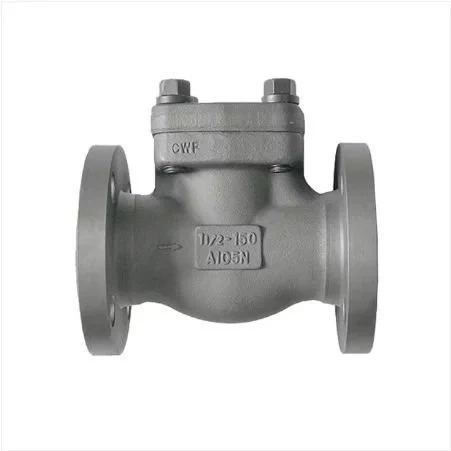
Forged steel valves are manufactured using forged metal components rather than cast materials. In the forging process, heated steel billets are subjected to compressive forces using forging presses or hammers, producing dense and highly durable valve components.
The forging process improves several important material properties, including:
- Mechanical strength
- Fatigue resistance
- Impact toughness
- Pressure resistance
- Structural uniformity
Because of these enhanced properties, forged steel valves are commonly selected for severe-service environments involving:
- High pressure
- High temperature
- Thermal cycling
- Corrosive fluids
- Hazardous media
Compared with cast valves, forged steel valves typically provide higher reliability and a lower risk of internal defects such as porosity, shrinkage cavities, or cracks.
A forged check valve is an automatic valve designed to permit fluid flow in one direction while preventing reverse flow in a piping system. Unlike manually operated valves, check valves function automatically based on pressure changes within the pipeline.
The valve contains an internal closure mechanism such as:
- Swing disc
- Piston
- Ball
- Spring-loaded disc
When fluid flows in the intended direction, the internal mechanism opens and allows passage through the valve. If the flow reverses or upstream pressure drops, the closure mechanism automatically returns to the closed position, blocking reverse flow.
Forged check valves are specifically designed for demanding industrial conditions where high strength, leak-tight sealing, and operational reliability are required.
These valves are commonly used in:
- Oil and gas facilities
- Refineries
- Steam systems
- Petrochemical plants
- Power stations
- Offshore platforms
- Water distribution systems
The manufacturing process plays a critical role in determining the performance and reliability of forged check valves.
Forging Procedure
The forging process generally includes:
- Heating metal billets to forging temperature
- Compressing the material using forging equipment
- Forming valve body and internal components
- Performing heat treatment
- Precision machining
- Assembly and pressure testing
This process creates components with a refined grain structure and minimal internal defects.
Higher Mechanical Strength
Forged materials exhibit greater tensile strength and impact resistance than cast materials.
Improved Structural Integrity
The forging process eliminates many internal voids and weaknesses commonly associated with cast components.
Better Fatigue Resistance
Forged check valves can withstand repeated pressure fluctuations and thermal cycling more effectively.
Excellent Pressure Capability
Forged steel valves are ideal for high-pressure pipeline systems.
Longer Service Life
Improved durability reduces wear and extends the valve's operational lifespan.
Forged check valves operate automatically without requiring manual assistance or external power.
Forward Flow Operation
When upstream pressure exceeds downstream pressure, the valve's internal disc or closure mechanism moves away from the seat, allowing fluid to pass through the valve.
Reverse Flow Prevention
If the flow direction reverses or inlet pressure decreases, gravity, spring force, or reverse pressure pushes the closure element back against the valve seat.
This action seals the valve and prevents backflow.
Automatic Response
The valve continuously responds to pressure changes within the system, providing reliable protection against reverse flow conditions.
Different industrial applications require different check valve designs.
Swing check valves use a hinged disc that swings open during forward flow and closes when flow reverses.
Features
- Low pressure loss
- Simple construction
- Large flow capacity
- Applications
- Oil pipelines
- Water systems
- Petrochemical plants
Piston check valves use a cylindrical piston that moves vertically inside the valve body.
Features
- Reliable sealing
- High-pressure capability
- Reduced water hammer
- Applications
- Steam systems
- High-pressure process lines
- Power plants
Ball check valves use a spherical ball to block reverse flow.
Features
- Compact design
- Reliable operation
- Minimal maintenance
- Applications
- Chemical systems
- Slurry handling
- Wastewater systems
Spring-assisted check valves include a spring mechanism that accelerates valve closure.
Features
- Fast response
- Reduced water hammer
- Suitable for vertical installation
- Applications
- Pump discharge lines
- Process automation systems
- High-speed flow applications
Dual plate check valves use two spring-loaded plates that open and close rapidly.
Features
- Lightweight structure
- Compact dimensions
- Low pressure drop
- Applications
- Offshore systems
- Water treatment facilities
- Industrial pipelines
Material selection directly affects valve performance, corrosion resistance, and durability.
Common forged carbon steel materials include:
- ASTM A105
- ASTM A350 LF2
- Benefits
- High strength
- Good pressure resistance
- Economical cost
Applications
- Oil and gas pipelines
- Industrial process systems
Popular stainless steel grades include:
- ASTM A182 F304
- ASTM A182 F316
- ASTM A182 F316L
Benefits
- Excellent corrosion resistance
- Hygienic performance
- High-temperature resistance
Applications
- Chemical plants
- Food processing
- Marine systems
Common alloy materials include:
- F11
- F22
- F91
- Benefits
- High-temperature strength
- Improved creep resistance
Applications
- Steam systems
- Power generation plants
- Duplex Stainless Steel
Benefits
- Excellent chloride resistance
- High mechanical strength
- Superior corrosion protection
Applications
- Offshore oil platforms
- Seawater systems
- Marine engineering
High Pressure Ratings
Forged check valves are suitable for demanding pressure classes such as:
- Class 800
- Class 1500
- Class 2500
Reliable Sealing Performance
Precision-machined seating surfaces ensure tight shutoff and leakage prevention.
Compact Design
Forged valves are generally smaller and lighter than equivalent cast valves.
Excellent Durability
The forged structure withstands harsh operating conditions and pressure cycling.
Corrosion Resistance
Advanced materials and coatings improve resistance to corrosive environments.
Oil and Gas Industry
Forged check valves are widely used in:
- Pipeline transmission systems
- Refineries
- LNG facilities
- Offshore drilling platforms
Their robust design ensures reliable operation under high-pressure conditions.
Petrochemical Processing
Applications include:
- Hydrocarbon transfer
- Chemical reactors
- High-temperature process lines
These valves prevent reverse flow and protect sensitive equipment.
Power Generation
Power plants use forged check valves in:
- Steam pipelines
- Boiler systems
- Feedwater systems
- Turbine protection lines
The valves withstand extreme temperatures and pressure conditions.
Chemical Industry
Chemical processing systems often involve aggressive fluids and corrosive chemicals.
Forged stainless steel valves provide dependable corrosion resistance and sealing performance.
Marine and Offshore Systems
Marine applications include:
- Ballast systems
- Cooling water systems
- Seawater handling
Corrosion-resistant forged materials are essential for long-term reliability.
Water and Wastewater Treatment
Applications include:
- Pump protection
- Distribution pipelines
- Wastewater systems
Check valves help maintain clean and safe flow conditions.
Exceptional Mechanical Strength
Forged steel construction provides outstanding durability under severe operating conditions.
Reliable Backflow Prevention
Automatic valve closure protects pumps, compressors, and pipelines from reverse flow damage.
Long Service Life
Forged valves resist wear, fatigue, and pressure-related stress.
Reduced Maintenance Costs
Durable construction minimizes repair frequency and operational downtime.
Enhanced Operational Safety
Reliable sealing helps prevent leakage and process instability.
Backflow can create serious operational risks within industrial systems.
Potential consequences include:
- Pump damage
- Equipment failure
- Water hammer
- Contamination
- Pressure surges
- Production interruption
Forged check valves provide automatic protection against these issues by ensuring unidirectional flow.
Forged check valves are commonly manufactured according to international standards such as:
- API 602
- API 6D
- ASME B16.34
- BS 5352
- MSS SP-80
Testing standards include:
- API 598
- ISO 5208
Compliance with these standards ensures safety, reliability, and interchangeability.
Proper installation is essential for reliable valve operation.
Correct Flow Direction
The valve must be installed according to the flow arrow marked on the valve body.
Proper Orientation
Some designs are intended for horizontal installation, while others support vertical mounting.
System Compatibility
Valve materials and pressure ratings must match process conditions.
Maintenance Accessibility
Adequate space should be provided for inspection and servicing.
Forged check valves generally require low maintenance, but periodic inspection improves reliability.
Routine Inspection
Operators should inspect:
- Valve seat condition
- Disc movement
- Leakage
- Corrosion
- Internal wear
Cleaning Procedures
Debris and deposits should be removed regularly to prevent operational issues.
Replacement of Components
Worn springs, seals, or seats should be replaced promptly to maintain sealing performance.
Smart Monitoring Technologies
Modern forged check valves increasingly incorporate:
- Digital sensors
- Condition monitoring
- Predictive maintenance systems
Advanced Material Development
New alloys and coatings continue improving:
- Corrosion resistance
- Wear resistance
- High-temperature performance
Improved Flow Efficiency
Optimized internal designs help reduce pressure loss and energy consumption.
Automation Integration
Forged check valves are becoming more integrated into automated industrial systems and Industry 4.0 environments.
Forged check valves are critical components in industrial flow-control systems, providing reliable backflow prevention and long-term operational safety in demanding applications. Their forged steel construction offers exceptional mechanical strength, high-pressure capability, and resistance to extreme temperatures and corrosive environments.
Available in various designs including swing, piston, ball, spring-assisted, and dual plate configurations, forged check valves deliver flexible solutions for a wide range of industrial requirements. Their automatic operation protects pipelines, pumps, compressors, and processing equipment from reverse flow damage while improving overall system reliability.
Widely used across oil and gas, petrochemical, power generation, marine, chemical, and water treatment industries, forged check valves continue to support safe and efficient industrial operations worldwide.
As industrial technologies continue evolving toward smarter automation and higher performance standards, forged check valves will remain an essential solution for modern pipeline protection and flow-control applications.