Processo de teste de estanquecimento de ar da válvula da plataforma de petróleo offshore
For valve testing, valve pressure testing equipment, relevant testing materials, and pressure test pumps are generally used to test each valve. Each test requires unloading, disassembly, and assembly. As a result, the valve testing cycle is longer, related material costs increase, and the project construction period requirements cannot be met. This context describes the application of an efficient tightness test method in an offshore oil platform project. In the application process, work efficiency is improved, and the construction period is shortened, providing valuable construction experience for industrial personnel.
4.1 Preparation
1) All purchased valves must first be inspected for product acceptance, and the quality certification documents should be verified for completeness, appearance, and product performance. Only qualified valves should be tested.
2) Before the valve’s air tightness test, the specifications and model of the valve to be tested should be confirmed. Check whether the valve components are complete, and the inner valve body is clean. Especially for the valve seat, ensure that there are no particles or impurities. Perform a visual inspection of the valve and its transmission to ensure they are in good condition.
3) The valve’s pressure leakage test should be determined according to specifications and pressure test procedure requirements, including valve types, test pressure, test procedure, test time, medium, certificates, pressure relief, and other requirements.
4) Ensure that the inspection of the safety valve and the instruments involved in the test has been completed. Ensure there are no remaining issues that affect the test and that the certificate is within the valid period.
5) Expose the valve and all temporary connection points for inspection.
6) Test equipment includes nitrogen bottles, safety valves, pressure gauges, pressure test flanges, gaskets, bolts, hoses, plastic bottles, and recorders.
4.2
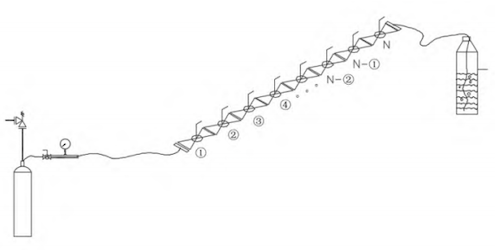
2) To test for internal leakage in the valve's internal seal, use a hose to lead the end of the valve connection group to a container filled with clean water. If no bubbles are produced, the valve is qualified. Otherwise, it indicates internal leakage.
1) For two-way sealed valves, both ends must be tested. During the test, pressurize one end of the valve and leave the other end open to observe for leakage.
5) The test calibration pressure of the safety valve should not exceed 1.1 times the test pressure.
4.1 Preparation
1) All purchased valves must first be inspected for product acceptance, and the quality certification documents should be verified for completeness, appearance, and product performance. Only qualified valves should be tested.
2) Before the valve’s air tightness test, the specifications and model of the valve to be tested should be confirmed. Check whether the valve components are complete, and the inner valve body is clean. Especially for the valve seat, ensure that there are no particles or impurities. Perform a visual inspection of the valve and its transmission to ensure they are in good condition.
3) The valve’s pressure leakage test should be determined according to specifications and pressure test procedure requirements, including valve types, test pressure, test procedure, test time, medium, certificates, pressure relief, and other requirements.
4) Ensure that the inspection of the safety valve and the instruments involved in the test has been completed. Ensure there are no remaining issues that affect the test and that the certificate is within the valid period.
5) Expose the valve and all temporary connection points for inspection.
6) Test equipment includes nitrogen bottles, safety valves, pressure gauges, pressure test flanges, gaskets, bolts, hoses, plastic bottles, and recorders.
4.2
2) To test for internal leakage in the valve's internal seal, use a hose to lead the end of the valve connection group to a container filled with clean water. If no bubbles are produced, the valve is qualified. Otherwise, it indicates internal leakage.
1) For two-way sealed valves, both ends must be tested. During the test, pressurize one end of the valve and leave the other end open to observe for leakage.
5) The test calibration pressure of the safety valve should not exceed 1.1 times the test pressure.
4.5
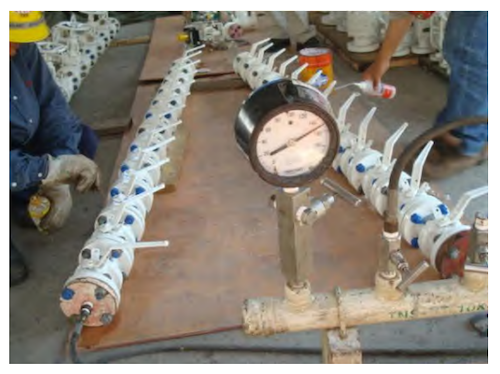
Figure 2 Photos of valve airtight construction
Concl
The valves completed relevant inspections and tests in accordance with the contract and standard requirements before leaving the factory. The valve tightness test upon site arrival is an important quality control method before the valve is installed in this project. It also brings certain risks and pressures to the project plan and cost. It is recommended to identify and check relevant technical requirements before signing the project contract, ensure the quality of the valves, meet the construction progress requirements and reduce the construction cost. The valve airtight solution adopted in this project is a simple and efficient method, serving as a reference case for related projects.
Próximo: Válvula borboleta excêntrica tripla
Anteriores: Seu guia abrangente para válvulas de plug-up dbb